What Anchors Brothers and Sisters Together? 15 Unconditional Sibling Love Quotes
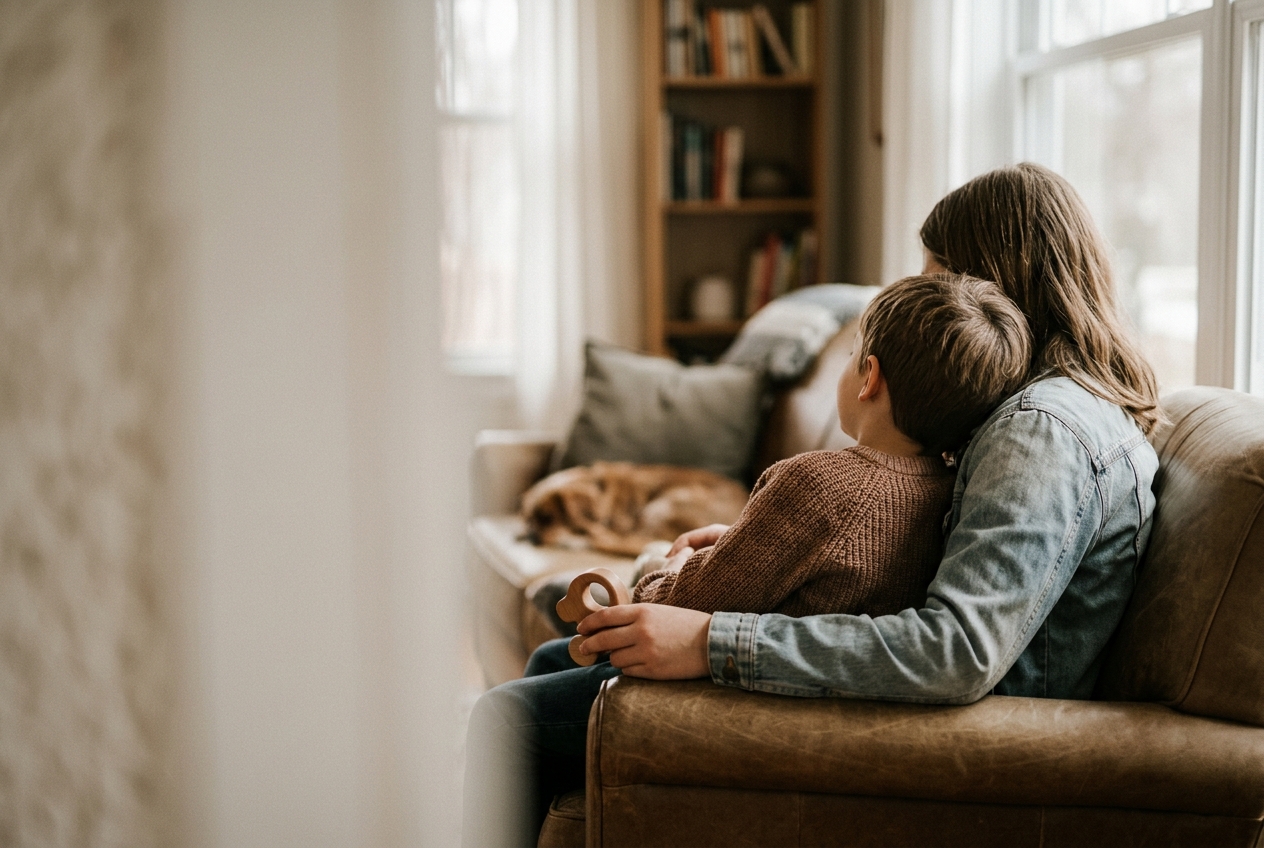
The earliest arguments over borrowed clothes or front-seat privileges rarely hint at the fierce loyalty waiting to develop in adulthood. Susan Scarf Merrell built The Accidental Bond, published in 1995, on the observation that sibling ties routinely outlast both marriages and parental bonds. That unshakeable alliance defines the sibling dynamic. They witness our most embarrassing iterations and love us anyway.
Shared Histories and Early Alliances
Siblings possess a unique vantage point on our personal evolution, serving as the sole witnesses to the entirety of our developmental arcs. They remember the childhood fears we conquered and the adolescent phases we desperately wish to forget. This continuous presence fosters an understanding that requires no translation. It defies simple logic. You never have to explain the strange tension at Thanksgiving or why a particular song makes you cry.
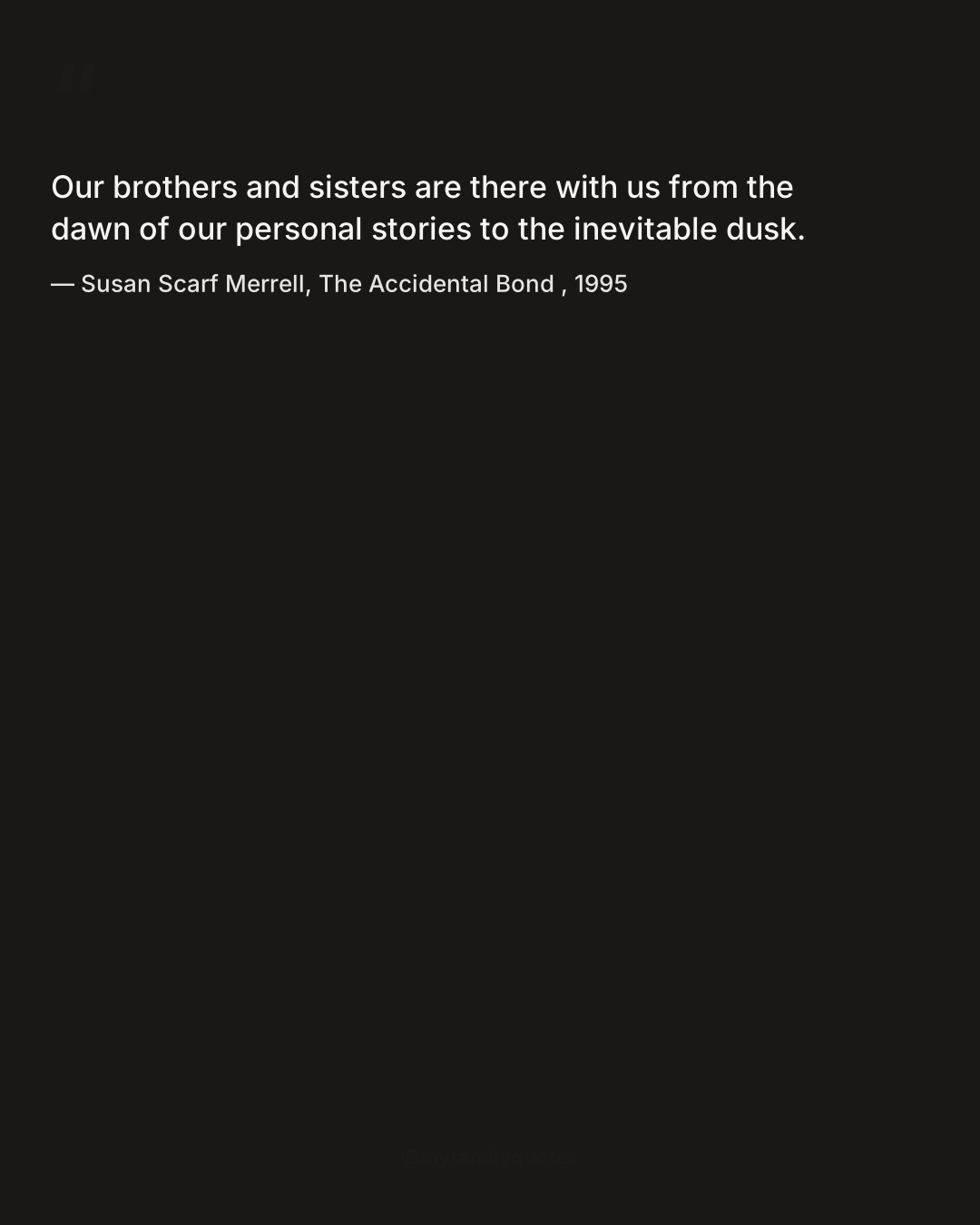
"Our brothers and sisters are there with us from the dawn of our personal stories to the inevitable dusk." — Susan Scarf Merrell, The Accidental Bond, 1995
Merrell anchors her sociological study on the premise that sibling relationships outlast marriages and parental bonds.
A deeper look at how adult sisters reframe their shared past explores this lifelong continuity.
"A sibling may be the keeper of one's identity, the only person with the keys to one's unfettered, more fundamental self." — Marian Sandmaier, Original Kin, 1994
Sandmaier argues that only siblings have access to the rawest versions of our personalities.
"To the outside world we all grow old. But not to brothers and sisters. We know each other as we always were." — Clara Ortega, Observations, 2000
This sentiment frequently circulates in psychological literature regarding how families perceive time.
Blood Ties and Formative Friction
Living under the same roof necessitates a crash course in negotiation and boundary-setting. The constant proximity breeds both intense friction and profound solidarity, forcing children to navigate complex interpersonal dynamics before they even reach grade school. They fight over television channels one minute and form unified fronts against parental authority the next. Blood ties demand compromise.
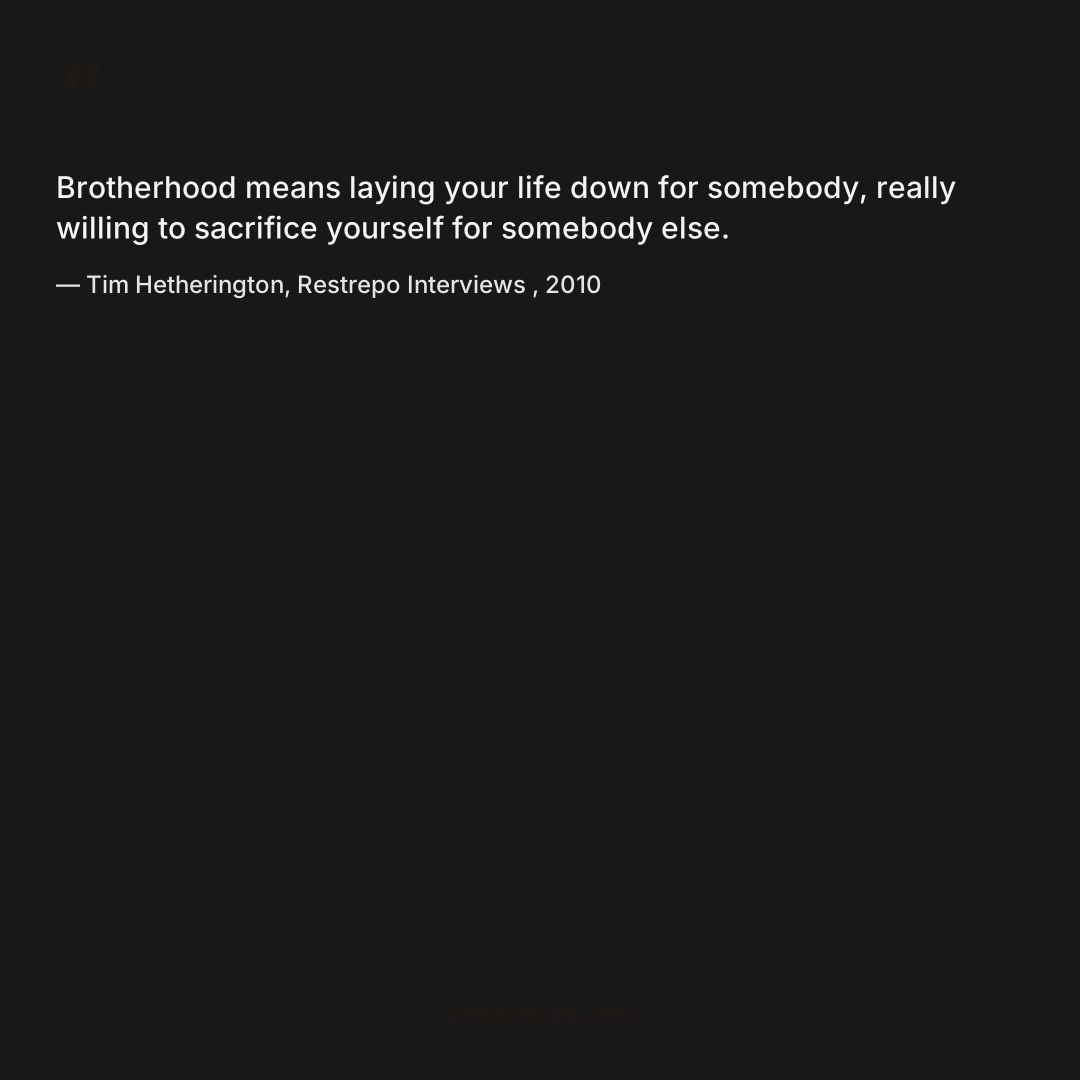
"Children of the same family, the same blood, with the same first associations and habits, have some means of enjoyment in their power, which no subsequent connections can supply." — Jane Austen, Mansfield Park, 1814
Austen frequently utilized sibling dynamics to illustrate the enduring power of early domestic environments.
The broader spectrum of the deep tether of familial affection often rests on these early foundations.
"Your siblings are the only people in the world who know what it's like to have been brought up the way you were." — Betsy Z. Cohen, The Snow White Syndrome, 1986
Cohen focuses on the shared environmental reality that validates our memories of childhood.
"Half the time when brothers wrestle, it's just an excuse to hug each other." — James Patterson, I Funny, 2012
Patterson captures the physical roughhousing that often masks deep affection between young siblings.
For those seeking finding moments of shared humor, physical comedy often defines early sibling interactions.
Fierce Protectors in Disguise
Beneath the surface-level bickering lies a bedrock of protective instinct that activates instantly when external threats emerge. A sibling might relentlessly critique your wardrobe or career choices, but they will ruthlessly dismantle anyone else who attempts to do the same. This dual nature of criticism and defense forms the core of unconditional support. Loyalty overrides petty grievances.
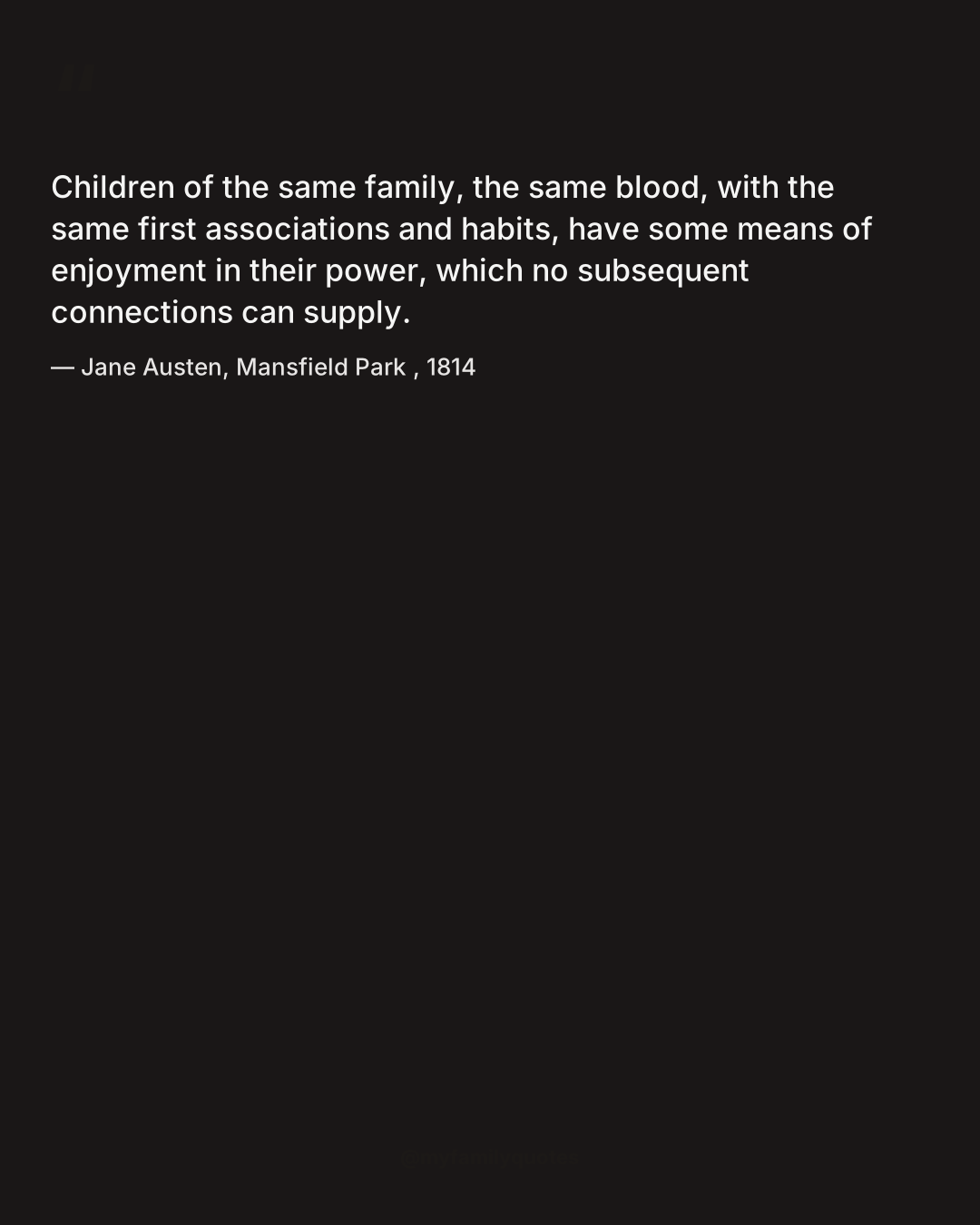
"Brotherhood means laying your life down for somebody, really willing to sacrifice yourself for somebody else." — Tim Hetherington, Restrepo Interviews, 2010
Hetherington spoke these words while documenting soldiers, though the definition applies equally to biological kin.
This mirrors how siblings handle sudden adversity when external crises strike the family unit.
"There's no other love like the love for a brother. There's no other love like the love from a brother." — Terri Guillemets, Anthology of Sentiments, 1999
Guillemets highlights the reciprocal nature of fraternal devotion that remains unmatched by outside friendships.
"The mildest, drowsiest sister has been known to turn tiger if her sibling is in trouble." — Clara Ortega, Observations, 1998
Ortega vividly illustrates the sudden transformation that occurs when a sibling faces external hostility.
The Regression and Resonance of Kin

Returning to the family home often triggers a rapid unraveling of carefully constructed adult personas. Highly successful professionals suddenly find themselves arguing over who gets the largest slice of pie, slipping back into roles established decades prior. This regression provides a strange comfort, confirming that some fundamental connections remain untouched by the passage of time. The past breathes again.
"They say that no matter how old you become, when you are with your siblings, you revert back to childhood." — Karen White, The Memory of Water, 2008
White taps into the universal phenomenon of psychological time travel triggered by family gatherings.
We see a parallel shift in what grown siblings learn about friendship as they navigate shifting family roles.
"Our siblings push buttons that cast us in roles we felt sure we had let go of long ago." — Jane Mersky Leder, Brothers & Sisters, 1991
Leder acknowledges the frustration inherent in relationships where both parties know exactly how to provoke one another.
"What brothers say to tease their sisters has nothing to do with what they really think of them." — Esther Friesner, Nobody's Princess, 2007
Friesner separates verbal sparring from the underlying current of respect and love.
"A sibling represents a person's past, present, and future." — John Corey Whaley, Where Things Come Back, 2011
Whaley summarizes the temporal spanning of siblinghood that outlasts nearly every other human connection.
Weathering Grief Together
When immense losses hit the family structure, siblings serve as the primary emotional load-bearers. They share the specific grief of losing parents or navigating domestic tragedies, offering a silent solidarity that requires no explanation. Sharing the burden of a dismantled childhood home or a medical crisis cements the bond permanently. They carry the weight together.
"I can sum up my relationship with my older brother in one word: survival." — Inspired by Shirley Jackson, 1953
Jackson frequently wove themes of domestic survival into her narratives, reflecting the intense reliance siblings place on one another.
This dynamic often explains why we lean on humor during domestic chaos to survive immense emotional weight.
"Sweet is the voice of a sister in the season of sorrow, and wise is the counsel of those who love us." — Benjamin Disraeli, Alroy, 1833
Disraeli elevates the role of familial counsel during periods of intense personal hardship.
The shared endurance required to navigate family trauma leaves siblings bound by invisible threads. They walk through the darkest chapters side by side, emerging on the other side with a silent understanding that no outside observer could fully comprehend.
Where Conventional Wisdom Slips
Popular reading: Unconditional love means constant harmony.
On closer look: Genuine sibling devotion frequently manifests through intense conflict and brutal honesty. The strength of the bond allows for arguments that would permanently sever traditional friendships, relying on the safety net of shared blood to absorb the impact.
Popular reading: Siblings grow closer automatically with age.
On closer look: Adult relationships require intentional maintenance and effort once the shared environment of the childhood home disappears. Proximity and shared genetics provide a foundation, but the adult friendship must be actively constructed.
Popular reading: Sibling rivalry ends in childhood.
On closer look: Competitive undertones often evolve into complex adult comparisons regarding careers, parenting styles, and financial stability. Acknowledging this enduring friction is crucial for maintaining a realistic and healthy dynamic in later decades.