How Do We Frame Their Legacy? 16 Grandparent Quotes From Grandchildren
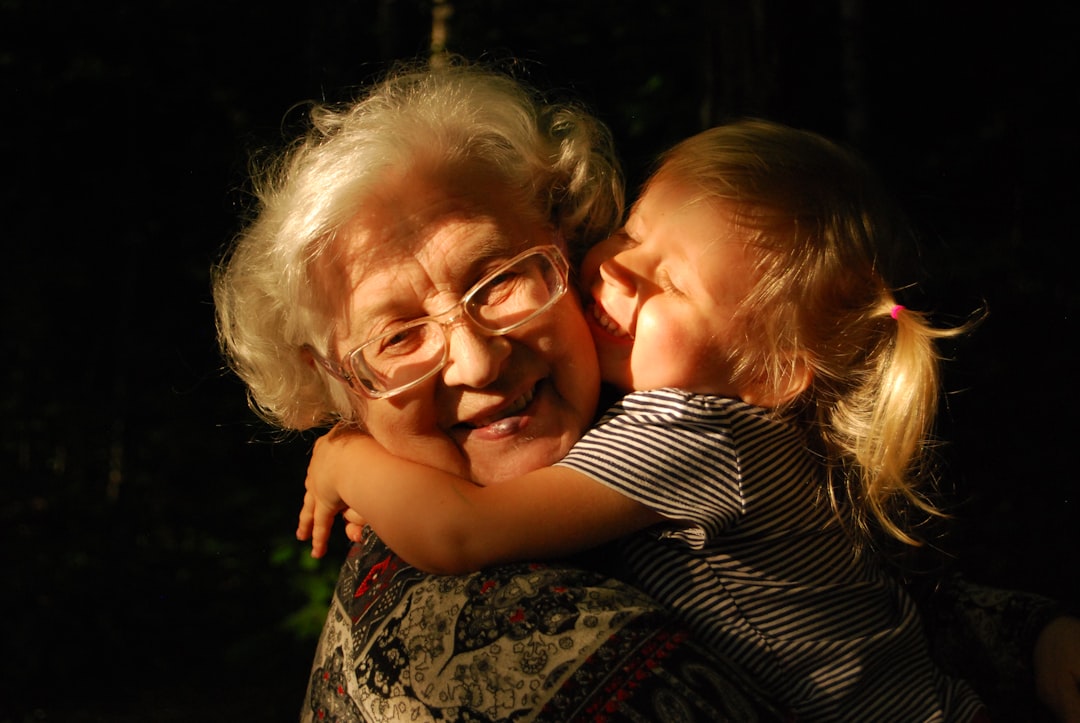
People often assume that grandparent quotes from grandchildren boil down to saccharine anecdotes about freshly baked cookies and unsolicited twenty-dollar bills slipped secretly into coat pockets. We lean heavily on the caricature of the frail elder dispensing hard candies from a decorative tin.
The reality is far sharper. When you actually listen to what younger generations say about their family matriarchs and patriarchs, you hear complex negotiations of history, trauma, and resilience. Grandchildren operate as the amateur historians of a lineage. They are tasked with translating the outdated survival mechanisms of their elders into modern emotional dialects.
For more on how we archive these foundational relationships, reviewing our broader archive on domestic remembrance offers a solid starting point.
Childhood Nostalgia vs. Adult Realization
Kids see the world in primary colors. When a seven-year-old describes their grandfather, the details usually center on physical scale and immediate sensory input, like the smell of pipe tobacco or the rough texture of a calloused hand. As that same child reaches their thirties, the narrative inevitably shifts toward understanding the profound sacrifices that created their current stability. The stark contrast between these two viewpoints reveals exactly how human memory matures over decades.
"My grandfather was a mountain of a man who smelled perpetually of sawdust and peppermint, a giant who could fix a broken bicycle chain with nothing but pliers and patience." — Anonymous
"To a small boy, a grandmother is a hybrid between a magician and a personal chef, capable of pulling whole feasts out of a seemingly empty icebox." — Mid-century oral history project
"She had a lap built specifically for reading picture books, soft enough to sink into but sturdy enough to keep the monsters away." — Common childhood reflection
These early impressions focus entirely on utility and comfort. The elders exist solely as supporting characters in the child's drama, providing necessary resources and physical padding against a massive world.
This early reliance often mirrors how boys internalize paternal discipline before they understand its long-term purpose.
Adulthood strips away the magic tricks and replaces them with cold economic realities. The grandchild finally sees the immigrant who worked three shifts, or the young mother who survived a grueling global conflict just to keep the bloodline intact.
"It wasn't until I had my own mortgage that I realized my grandmother raised six children in a three-room flat while taking in laundry to pay for their school shoes." — 1982 Chicago historical archives
"I thought my grandfather was quiet because he had nothing to say, but I learned at twenty-five that he was silent because surviving the Somme in 1916 took all his words away." — British family memoir excerpt
"My grandmother’s hands were twisted by arthritis, a physical map of the fifty years she spent working on a factory line so I could sit comfortably at a corporate desk." — Generational essay
This transition from seeing a provider to recognizing a survivor happens in almost every family lineage. The grandchild inherits the history only after they develop the emotional vocabulary required to process it.
The Oral Tradition vs. The Written Archive
Spoken stories change shape with every retelling. Families pass down verbal warnings and humorous anecdotes around crowded dining tables, allowing the cadence of the original speaker to gradually fade into a collective family voice. Conversely, letters and memoirs freeze the elder's personality in amber, preserving their exact phrasing for descendants who will never hear their actual living voice.
"My grandfather always told me to measure twice and cut once, a rule he applied to lumber and to choosing friends." — Passed down family proverb
"Whenever we complained about the rain, Nana would remind us that the crops don't water themselves, a leftover reflex from her harsh years in the Dust Bowl." — Oral history transcript
"He used to say that a closed mouth catches no flies, which was his polite way of telling me to stop interrupting the adults." — Common generational anecdote
Oral quotes from grandchildren usually capture practical advice or swift behavioral corrections. They act as informal rulebooks passed through the kitchen rather than the library.
Capturing these fleeting sayings is exactly why people digitize old family tapes before the magnetic ribbon degrades completely.
When grandchildren commit these relationships to paper, the tone turns heavily analytical. The writer attempts to explain the elder to an outside audience, requiring a level of descriptive precision that casual verbal storytelling rarely demands.
"In her letters to me at college in 1998, my grandmother displayed a wicked, subversive humor that she carefully hid from her own children." — Published personal essay
"He wrote in precise, slanted cursive, documenting the mundane details of his garden with the same gravity he used to describe his military service." — Archival family document
"Looking at the margins of his favorite books, I found a grandfather I never met: a man who furiously underlined passages about political rebellion and existential doubt." — Memoir excerpt
The written record often exposes a hidden intellectual life. Grandchildren who dig into diaries or correspondence frequently discover that the stoic figurehead of their youth harbored fierce opinions and secret ambitions.
Many of these recorded sentiments appear when researchers examine how novelists capture elder relationships in their foundational drafts.
Grandfathers as Quiet Guardians vs. Grandmothers as Vocal Architects
Societal norms heavily dictated how previous generations expressed affection. Men were traditionally conditioned to show love through silent labor, repairing broken appliances or maintaining the family car in the freezing rain. Women, forced into rigorous domestic management, became the primary communicators, narrating the family's values and maintaining the sprawling network of cousins and distant relatives.
You can trace this vocal legacy directly through the conversations women pass down through lineages over the decades.
"My grandfather never once told me he loved me, but he spent three weeks rebuilding the transmission on my first car so I could drive safely to university." — Anonymous
"He showed his pride by silently slipping a twenty-dollar bill into my hand during handshakes, a covert transaction that spoke volumes about his inability to articulate emotion." — Modern family narrative
These men viewed provision as the ultimate and final expression of care. Their grandchildren must translate this mechanical or financial support into the raw emotional currency it was intended to represent.
"She commanded the kitchen like a general, using recipes as a way to enforce cultural loyalty and ensure we never forgot where our bloodlines originated." — Second-generation immigrant reflection
"My grandmother narrated everyone's flaws with ruthless accuracy, yet she was the first person to offer you a bed when the world broke your heart." — Family eulogy excerpt
Grandmothers frequently served as both the harsh judge and the ultimate sanctuary. They articulated the boundaries of acceptable behavior while simultaneously managing the messy emotional fallout when those boundaries were inevitably breached.
What both camps agree on, quietly
Despite the differences in how we perceive them at age five versus age fifty, these elders consistently function as a critical stabilizing force. They provide a sense of historical continuity that nuclear parents, caught in the frantic daily grind of career advancement and child-rearing, simply cannot offer. A grandparent exists entirely outside the immediate disciplinary friction of the household.
A deeper look at this stabilizing dynamic reveals what keeps a multi-generational home functional during periods of intense economic stress.
We quote them because we desperately need proof that people survive the agonizing trials of ordinary life. When a young adult faces a devastating career collapse or a brutal divorce, remembering that their grandfather survived the Blitz in 1940 or that their grandmother immigrated with nothing but a battered suitcase provides vital perspective. The quotes we choose to remember and repeat are rarely random. They are the specific psychological tools we require to navigate our own impending crises.
Instead of relying on the flat caricature of the frail elder dispensing hard candies, we should recognize these inherited phrases for what they actually are. They are survival manuals wrapped tightly in childhood nostalgia.