How Do We Frame the Distance? 18 Toxic Family Quotes for Instagram
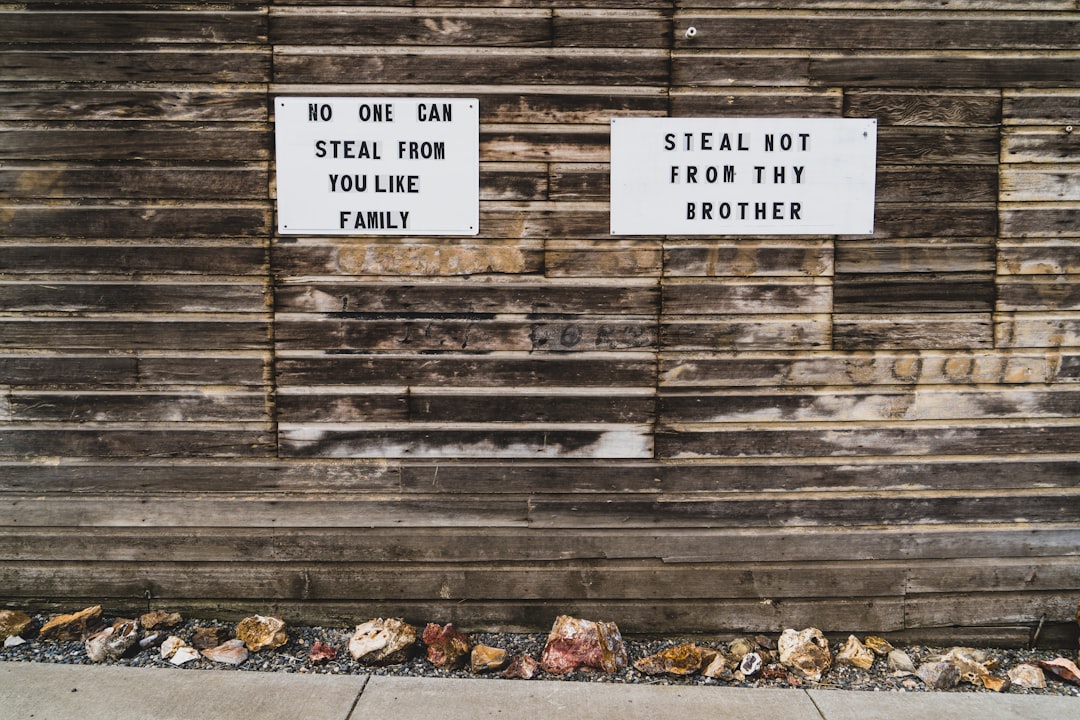
Sarah sat in a Leipzig coffee shop during the final weeks of 2024, watching the snow accumulate against the glass while her feed filled with matching holiday pajamas. She had spent the morning declining a phone call from her father. The screen remained blank. The contrast between the curated joy on her screen and the knot in her stomach required a specific kind of articulation. People often use social media to project an ideal, but a growing number of users leverage their platforms to document the reality of necessary distance. Finding the exact phrasing to capture this reality without descending into melodrama takes precision.
A broader look at this tension lives in our archive on expectations around loyalty and connection.
2020s: The Era of Digital Boundaries
The early 2020s normalized psychological terminology in everyday internet spaces, turning clinical concepts into accessible captions. Users began prioritizing their peace over inherited obligations. The language shifted from quiet endurance to active boundary-setting.
"Blood does not mandate a lifetime subscription to another person's cruelty." — Unknown
"I am breaking generational curses by simply refusing to attend the argument." — Unknown
"You can grieve the family you deserved while protecting yourself from the one you have." — Dr. Sherrie Campbell
"Distance is the only apology some relatives will ever give you." — Unknown
For another perspective on this transition, review the quiet grief of stepping away.
2010s: The Rise of Public Therapy Language
During the 2010s, platforms like Instagram shifted from pure aesthetics to micro-blogging about mental health and personal growth. The vocabulary of estrangement became a shared cultural dialect. People began to realize that their isolated domestic struggles were actually widespread systemic issues.
"Sometimes the hardest part of healing is accepting that the people who broke you cannot put you back together." — Unknown
"Not all toxic people are cruel; some are just deeply committed to misunderstanding you." — Unknown
"We do not owe anyone our mental health, not even the people who raised us." — Unknown
"Protecting your energy often means letting calls go to voicemail and leaving texts on read." — Unknown
This directly relates to the friction of setting boundaries with difficult aunts.
1990s: Memoir and the Confessional Shift
The memoir boom of the 1990s, led by authors like Mary Karr, stripped the veneer off the idealized American household. Literature from this decade provided the raw material that would eventually be repurposed as digital text. It gave readers permission to speak poorly of their bloodlines.
"Dysfunction is a legacy that thrives in silence and demands complicity." — Unknown
"You do not have to set yourself on fire to keep your relatives warm." — Anonymous
"Some family trees need pruning before the rot spreads to the new branches." — Unknown
"The fact that they share your DNA does not excuse the fact that they drain your soul." — Unknown
The historical context of these patterns is visible in our collection covering maternal expectations and pressures.
1950s: Post-War Domestic Realism
Beneath the mid-century obsession with the nuclear family, playwrights and novelists began exposing the claustrophobia of domestic expectations. Their dialogue captured the sharp edges of familial obligation. The tension between public respectability and private misery fueled these observations.
"A house is not a home when the people inside it treat you like a stranger." — Unknown
"Loyalty to a fault is simply self-sabotage wrapped in a polite bow." — Unknown
"There is a distinct difference between honoring your parents and enduring their hostility." — Unknown
Compare this historical framing with how we document maternal relationships online.
The 19th Century: Gothic Family Dynamics
Victorian literature frequently utilized the oppressive household as a central antagonist, reflecting the absolute power patriarchs and matriarchs held over their descendants. These early explorations of toxic kinship still resonate. The gothic manor was merely a metaphor for the inescapable family unit.
"The ties of blood are heavy chains when forged in bitterness." — Unknown
"No enemy is quite so devastating as the one who knows the layout of your childhood home." — Unknown
"We inherit our features from our ancestors, but we must choose our own peace." — Unknown
An alternative approach to capturing these old dynamics involves brevity in explaining household dynamics.
The evolution from Victorian gothic novels to modern digital platforms reveals a consistent human need to articulate domestic pain. Those nineteenth-century observations about heavy chains translate seamlessly into the captions typed on smartphones today.
Second Looks at Familiar Claims
What you hear: Posting these quotes is always a cry for attention.
The fuller picture: Many users utilize these phrases to establish clear public boundaries and signal their values to their chosen communities, rather than seeking empty validation.
What you hear: Toxic family quotes only apply to extreme abuse.
The fuller picture: They frequently address subtle manipulations, chronic invalidation, and the quiet erosion of trust over decades.
What you hear: Using these quotes means the relationship is permanently over.
The fuller picture: Sometimes articulating the dysfunction is the first necessary step toward creating a healthier dynamic or establishing a functional distance.
Sarah finished her coffee in Leipzig, closed the app, and walked out into the winter air. The snow had covered the pavement, offering a blank surface that demanded no explanations and held no history.