Why Inspiring Brave Quotes Mask a Deeper Cultural Anxiety
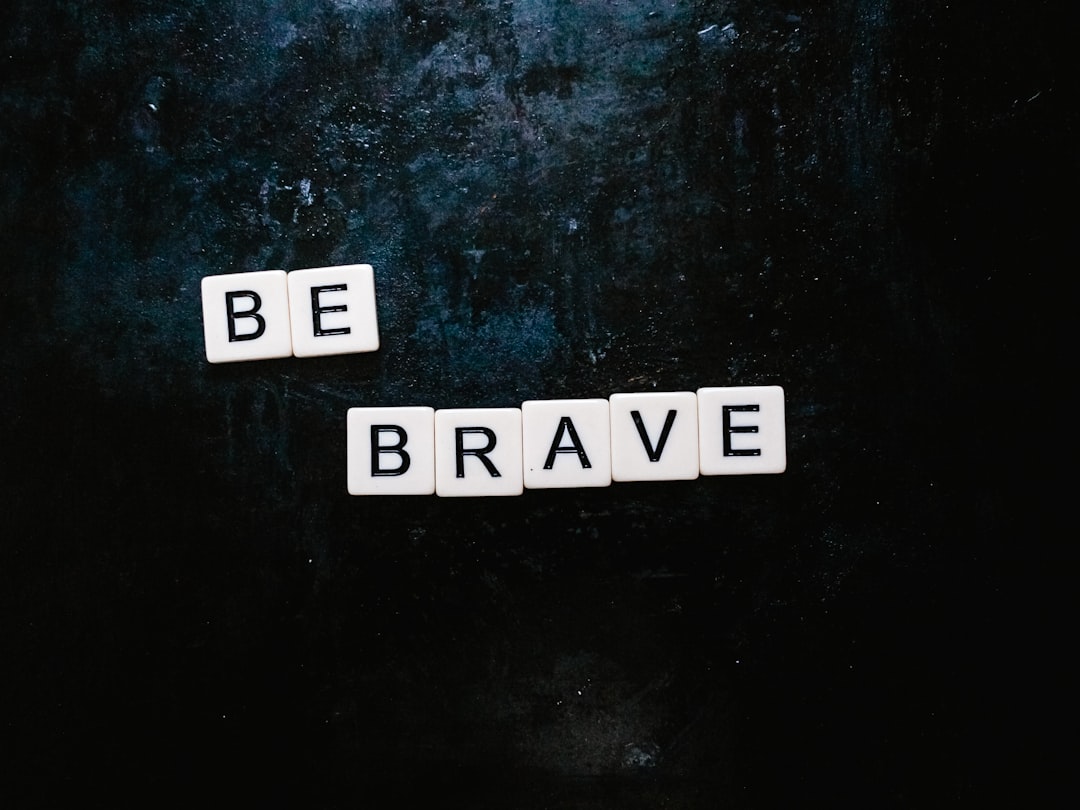
The Commodification of Historical Courage
In 1977, Audre Lorde delivered her paper "The Transformation of Silence into Language and Action" at a modern language panel in Chicago, Illinois. She crystallized a specific type of vulnerability.
I have come to believe over and over again that what is most important to me must be spoken, made verbal and shared, even at the risk of having it bruised or misunderstood.
Society frequently extracts inspiring brave quotes from their original, highly volatile contexts. We print them on mugs. This sanitization strips away the actual threat the speaker faced, replacing genuine physical or social jeopardy with an easily digestible aesthetic of boldness.
Amelia Earhart penned a letter to her husband George Putnam before her final 1937 flight.
Please know I am quite aware of the hazards. I want to do it because I want to do it. Women must try to do things as men have tried.
Her assertion strips away the romanticism. When digital creators pair her fatalistic pragmatism with generic pastel sunset backgrounds, they fundamentally misunderstand the raw mechanics of her historical sacrifice.
When analyzing domestic conversations, the pattern holds steady. People often reach for borrowed courage right when they feel most paralyzed by their own circumstances. We see this psychological buffering in how shared household hardships build resilience, where quoting a historical figure feels safer than confronting an immediate personal failure. Relying on someone else's documented bravery offers a temporary shield against our own hesitation.
Further reading
- brevity in modern familial communication
- the public framing of relational distance
- establishing firm boundaries against aggressive relatives
Risk Aversion Drives Our Literary Selections
Nelson Mandela wrote Long Walk to Freedom in 1994 after decades of literal imprisonment.
I learned that courage was not the absence of fear, but the triumph over it. The brave man is not he who does not feel afraid, but he who conquers that fear.
This passage circulates heavily within close relationship networks today. Often, it is mistakenly attributed to his earlier trial speeches rather than the later published autobiography. Readers ignore the prison timeline. We hoard these phrases precisely because modern existence rarely requires us to face down systemic oppression, leaving us hungry for the linguistic artifacts of actual bravery. You can step into Wednesday morning carrying Mandela's words, but applying that same defiance to an uncomfortable conversation requires dropping the quote and absorbing the risk.