The Essential Collection of 8 Toxic Family Quotes in English on Breaking Cycles

Blood does not automatically guarantee safety. When households operate on manipulation rather than mutual respect, finding the exact words to describe the dysfunction becomes a necessary survival mechanism for those trying to break the cycle. Reading brief but unsentimental perspectives helps validate the lived experience of emotional neglect.
2020s: The Era of Explicit Boundaries
Words hold power. The current decade brought psychological terminology out of the clinic and into daily conversation. Modern authors frequently discuss setting hard boundaries with difficult relatives as an act of self-preservation rather than an act of outright rebellion against the family unit.
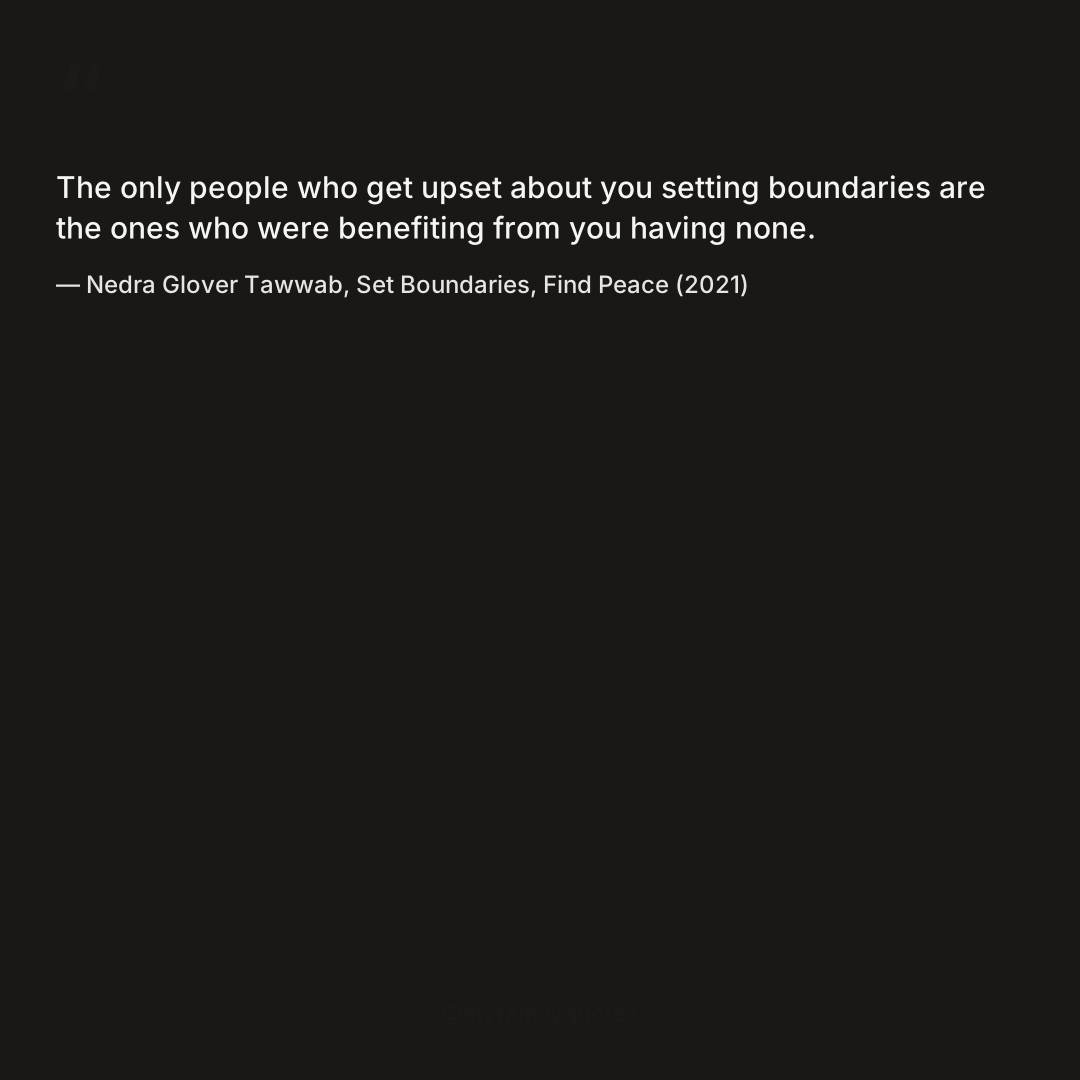
"The only people who get upset about you setting boundaries are the ones who were benefiting from you having none." — Nedra Glover Tawwab, Set Boundaries, Find Peace (2021)
"You are not required to set yourself on fire to keep other people warm." — Unknown
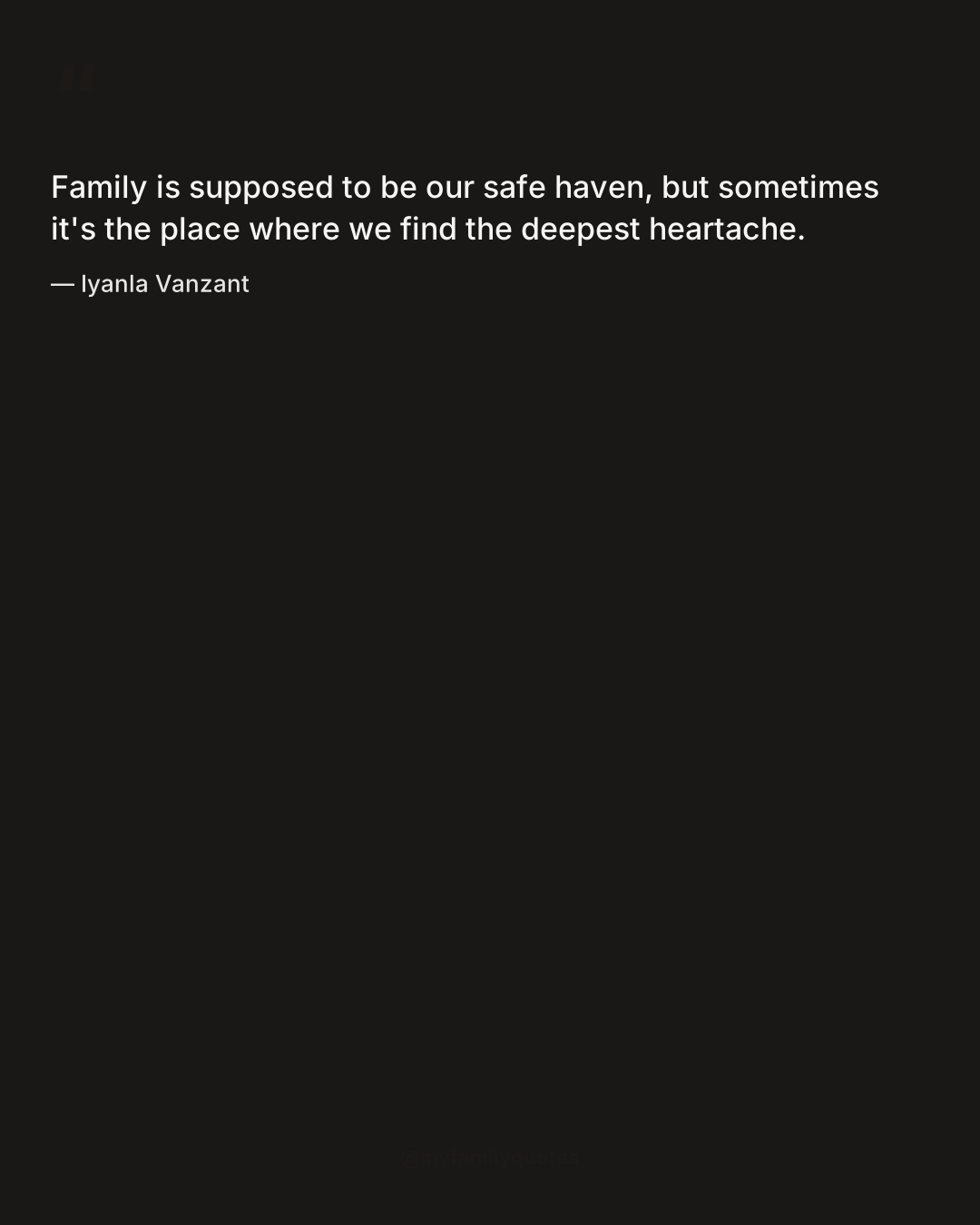
"Family is supposed to be our safe haven, but sometimes it's the place where we find the deepest heartache." — Iyanla Vanzant
1990s: The Recovery Movement
The narrative shifted. During the late twentieth century, popular literature began addressing the quiet pain of stepping away from destructive parental figures. Dr. Susan Forward’s groundbreaking work in 1989 changed the cultural expectation that children owed their parents unconditional access, paving the way for modern estrangement discourse.
"Toxic parents are like gods to their children, and gods do not apologize." — Dr. Susan Forward, Toxic Parents (1989)
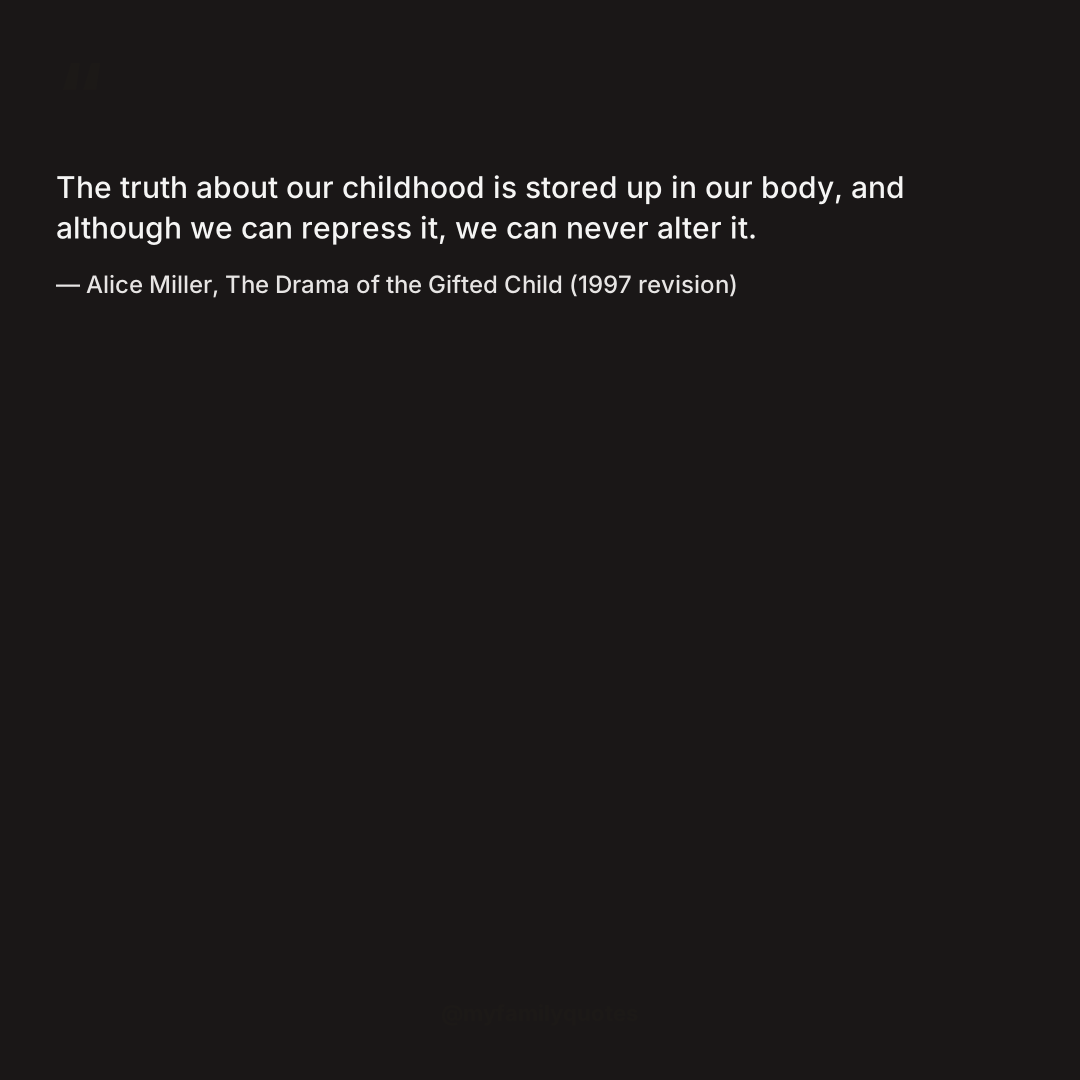
"The truth about our childhood is stored up in our body, and although we can repress it, we can never alter it." — Alice Miller, The Drama of the Gifted Child (1997 revision)
"A child should never feel as if they need to earn a mother's love." — Sherrie Campbell
Early 20th Century: The Quiet Rebellion
It took a toll. Long before therapy language entered the mainstream, writers documented the suffocating weight of domestic expectation. Navigating complex relational ties often requires looking at private correspondence from literary figures who suffered in silence while maintaining a public facade of perfect harmony.
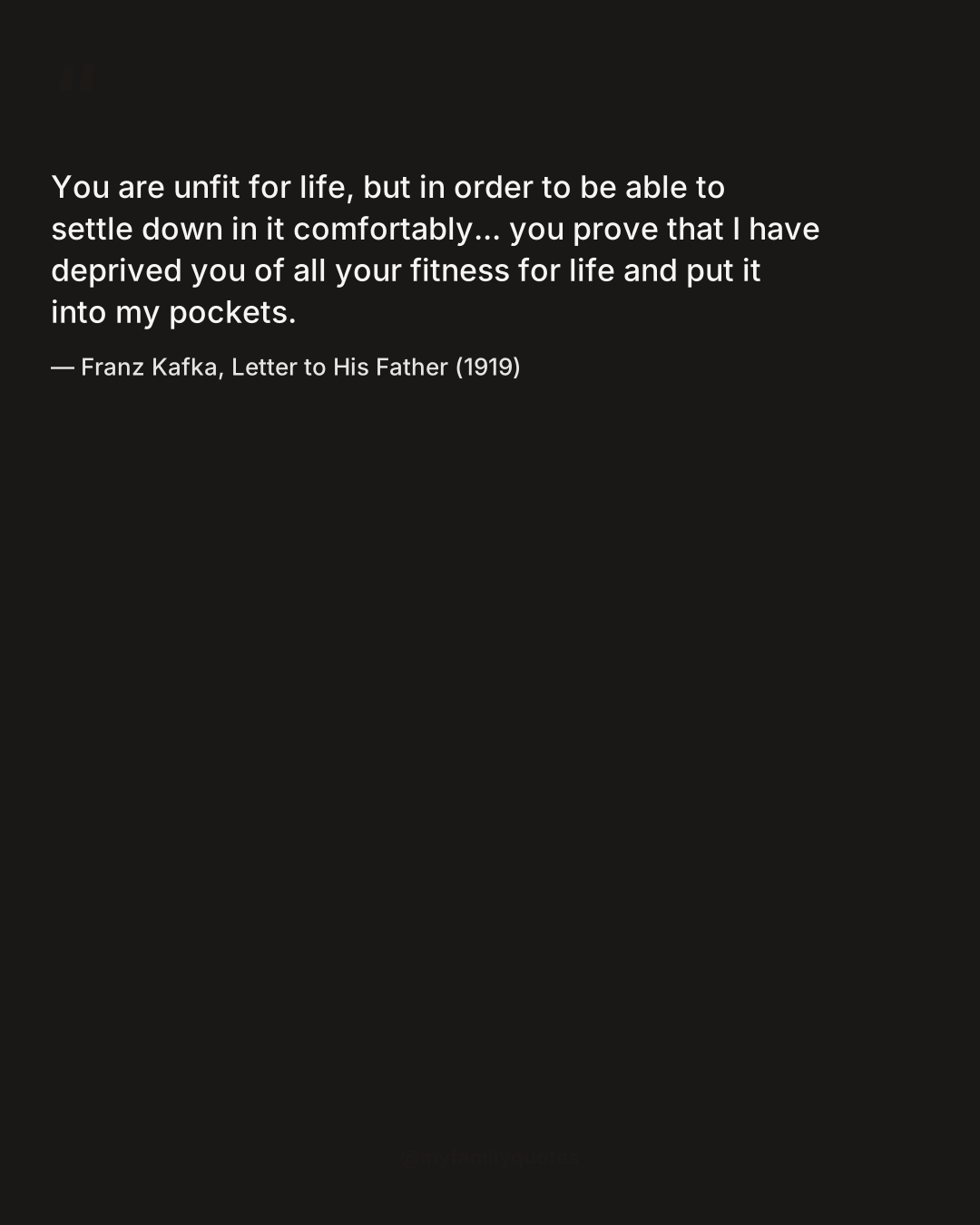
"You are unfit for life, but in order to be able to settle down in it comfortably... you prove that I have deprived you of all your fitness for life and put it into my pockets." — Franz Kafka, Letter to His Father (1919)
"I know of no more dreadful burden than a demanding mother." — Florida Scott-Maxwell, The Measure of My Days (1968)
Time changes the medium. Kafka’s agonizing letter from 1919 shares the exact same emotional DNA as today's digital infographics, proving that the vocabulary shifts across the decades, but the fundamental need to articulate domestic pain remains a constant human endeavor.
Key Takeaways
- Validation often comes from recognizing your exact pain named by someone else decades ago.
- Establishing distance from harmful relatives is a historical practice, not just a modern internet trend.
- Therapeutic language from recent years provides actionable frameworks for previously unnamed emotional burdens.
- Documenting personal boundaries helps interrupt generational patterns of obligation and guilt.
Write down the specific phrase from this list that most accurately describes your current dynamic and keep it visible inside your daily planner. Do it today.