12 Unconditional Love Grandparents Quotes from Literature and Oral History
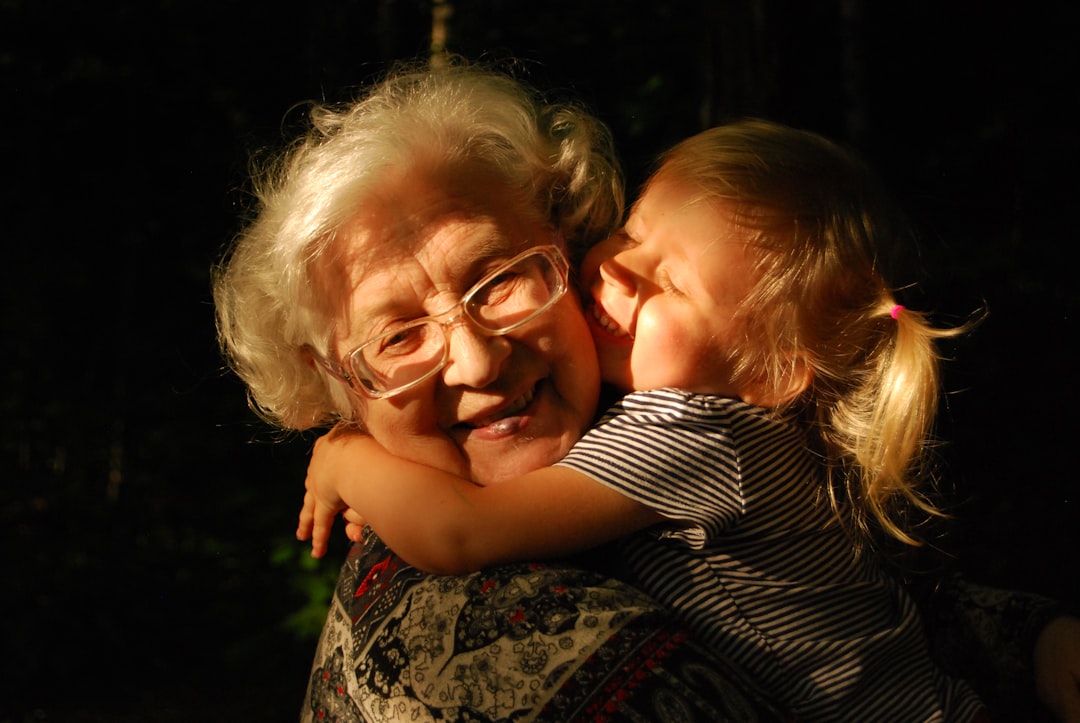
"If nothing is going well, call your grandmother," an Italian proverb advises. The relationship between a child and their grandparents operates outside the standard domestic hierarchy. Parents must discipline, schedule, and worry about the future. Grandparents simply exist in the present. This essay examines twelve unconditional love grandparents quotes that capture this unique dynamic, drawing from literary memoirs, historical texts, and oral traditions.
What Keeps Generational Grace Standing
The structure of a multi-generational household shifts the emotional load. In 1981, researchers at the University of Chicago found that children with active grandparents exhibited lower baseline anxiety. This makes sense. Parents enforce the rules, while elders provide the soft landing. Because they are entirely removed from the daily friction of enforcing curfews and monitoring homework, these older family members possess the unique luxury of simply enjoying the child's unfolding personality.
Perfect love sometimes does not come until the first grandchild.
This Welsh proverb highlights a biological and psychological reality. Without the immediate pressure of raising a productive citizen, the older generation can focus entirely on emotional presence.
Grandparents, like heroes, are as necessary to a child's growth as vitamins.
Joyce Allston noted this nutritional necessity in her early writings. The elders serve as an emotional buffer.
What children need most are the essentials that grandparents provide in abundance. They give unconditional love, kindness, patience, humor, comfort, lessons in life.
Former mayor Rudolph Giuliani included this observation in a 2009 address, though the sentiment echoes across cultures. When we examine broader definitions of domestic life, the grandparent emerges not as a secondary caregiver, but as a primary source of unearned affection.
Quiet Observations in the Family Archive
Memory often distills childhood into sensory details rather than chronological narratives. A specific scent of pipe tobacco or the sound of a screen door slamming in July 1994 carries more weight than a decade of report cards. They teach without testing.
A grandmother is a little bit parent, a little bit teacher, and a little bit best friend.
Though often misattributed to Rachel Meyen on social media, this anonymous quote captures the hybrid role elders play. They observe rather than direct.
Grandparents are a delightful blend of laughter, caring deeds, wonderful stories, and love.
This anonymous observation points to the intersection of humor and affection that characterizes these relationships. The pressure to perform vanishes in their presence.
There are fathers who do not love their children; there is no grandfather who does not adore his grandson.
Victor Hugo embedded this absolute statement in his 1862 masterpiece, Les Misérables. Hugo understood how brevity captures paternal relationships, yet he reserved his most sweeping declarations of devotion for the grandfather-grandson dynamic. The elder Monsieur Gillenormand represents this precise transformation from rigid father to melting grandfather.
Subverting the Parental Dynamic
Authority softens with age. The same man who demanded absolute silence at the dinner table in 1970 might gladly wear a plastic tiara for a toddler in 2005. It changes everything.
The simplest toy, one which even the youngest child can operate, is called a grandparent.
Sam Levenson wrote this in his 1966 memoir Everything But Money. He recognized that elders willingly surrender their dignity for a child's amusement.
Nobody can do for little children what grandparents do. Grandparents sort of sprinkle stardust over the lives of little children.
Alex Haley, author of Roots, understood the mythological weight of ancestry. He saw grandparents as magical figures who operate outside the mundane requirements of daily chores.
A grandfather is someone with silver in his hair and gold in his heart.
This traditional Croatian proverb relies on metallurgical metaphors to explain emotional alchemy. When contemplating what sustains tight-knit households, we often find that the grandparents' willingness to subvert the parents' strict rules provides a necessary release valve for the child.
Legacy Beyond the Living Room
The final gift of the elder generation is historical context. They anchor a child in a narrative that began long before their own birth. By sharing narratives of survival, migration, or simple daily life from decades past, they provide young people with a profound sense of continuity in an otherwise fractured modern world. The elder provides a living bridge.
Grandparents are the footsteps to the future generations.
This anonymous saying emphasizes forward momentum rather than backward gazing. They point the way forward.
Young people need something stable to hang on to — a culture connection, a sense of their own past, a hope for their own future. Most of all, they need what grandparents can give them.
Jay Kesler articulated this need for a cultural tether in an era of rapid social fragmentation. The elder provides a living bridge to the past.
Unconditional positive regard is rarely achieved by parents, but grandparents offer it freely.
Dr. Arthur Kornhaber published this clinical observation in his 2002 research on intergenerational bonds. He argued that the invisible threads holding us together are woven primarily from this unearned, absolute acceptance. Parents must judge behavior to correct it; grandparents simply accept the child as they are.
A Few Honest Corrections
What you hear: Grandparents who spoil children undermine parental authority.
The fuller picture: Child psychologists note that children easily distinguish between the rules of their primary household and the relaxed boundaries of a grandparent's home. The indulgence offered by elders rarely translates into long-term behavioral issues, provided the parents maintain consistent boundaries at home.
What you hear: Unconditional love means grandparents never correct a child.
The fuller picture: Elders often provide vital moral instruction and correction, but they typically deliver it without the anxiety or frustration that accompanies parental discipline. Their corrections are usually framed as life lessons rather than immediate behavioral demands.
What you hear: The grandparent bond is only strong if they live nearby.
The fuller picture: Distance does not dictate the depth of the relationship. Consistent emotional presence through letters, calls, or dedicated visits often creates a profound psychological anchor for a child, proving that geographical proximity is secondary to intentional connection.
Take ten minutes tonight to write down a specific memory of your grandmother or grandfather in a notebook, focusing on the sensory details of their home or the exact phrasing of their favorite advice.