12 Sibling Love Quotes For Those Navigating Lifelong Bonds
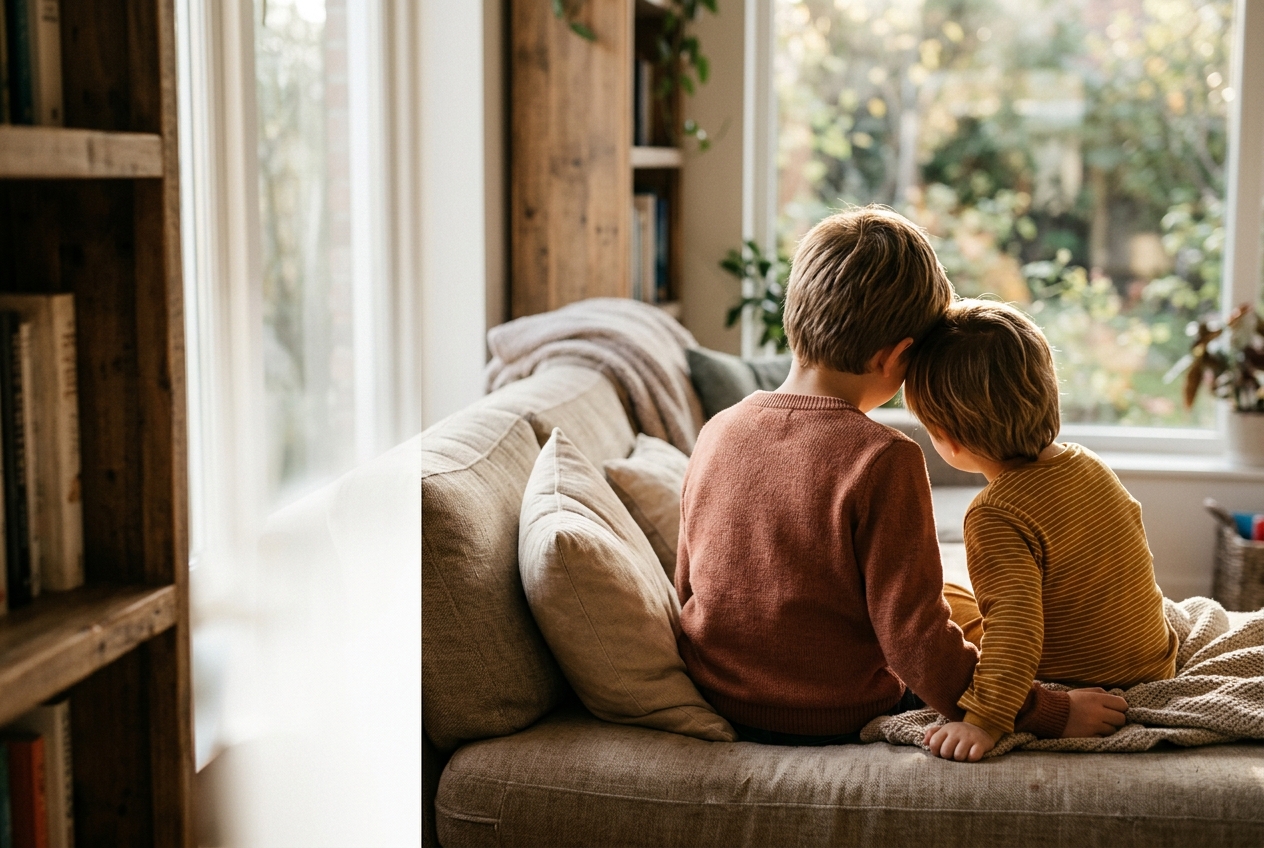
How do we articulate the weight of knowing someone since the very beginning of conscious memory? The language of siblings is rarely straightforward. I remember sitting with my older brother on the crumbling porch of our rental in Asheville, North Carolina, 1994, realizing that no one else would ever truly understand the peculiar geometry of our upbringing. We rely on literature and shared reflections to decode this dynamic. If we could sit down with writers and thinkers today to discuss the architecture of sibling love, the conversation would likely bypass simple affection to explore the intricate, sometimes messy reality of these lifelong tethers.
On Shared History
The dialogue begins with the undeniable foundation of shared origins. To understand siblings, we must first look at the isolated environment that forged them.
"Children of the same family, the same blood, with the same first associations and habits, have some means of enjoyment in their power, which no subsequent connections can supply." — Jane Austen, Mansfield Park, 1814
Austen captures the exclusivity of early domestic life. This insular world creates a vocabulary that outsiders can never fully parse, binding brothers and sisters in a private linguistic universe.
Modern essayists echo this sentiment when examining how siblings anchor our timelines. They hold the blueprints of our youth in their memories.
"A sibling may be the sole keeper of one's core identity, the only person with the keys to one's unfettered, more fundamental self." — Marian Sandmaier, Original Kin, 1994
Sandmaier elevates the brother or sister to an archivist of the self. This concept of an archivist is central to how we understand the ties that bind relatives together over decades, ensuring our earliest iterations are never entirely lost.
Sometimes, this shared history is less about profound identity and more about surviving the same eccentricities. Navigating that shared space requires immense patience.
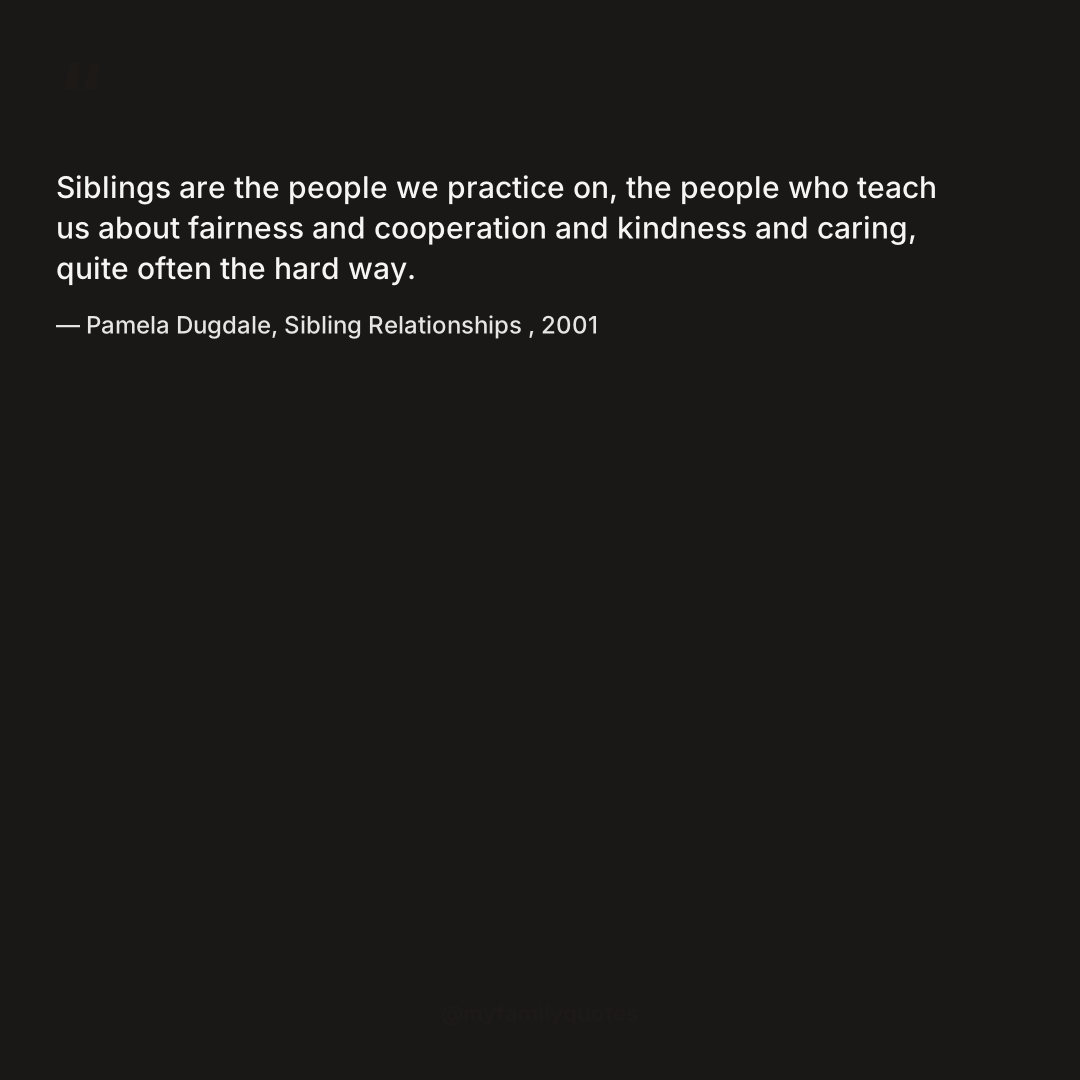
"Siblings are the people we practice on, the people who teach us about fairness and cooperation and kindness and caring, quite often the hard way." — Pamela Dugdale, Sibling Relationships, 2001
The domestic sphere is a brutal but effective laboratory for human interaction. The lessons learned here echo into every future friendship, dictating how we handle conflict and compromise long after we leave our childhood bedrooms.
On Unspoken Understanding
As the conversation shifts, we explore the silent communication that defines these relationships. Words are often entirely unnecessary between brothers.
"Half the time when brothers wrestle, it's just an excuse to hug each other." — James Patterson, I Funny, 2012
Patterson highlights the physical shorthand boys often use to express affection. It masks vulnerability behind a veneer of competition, allowing for closeness without the discomfort of direct emotional declarations.
For sisters, the unspoken understanding often manifests in shared emotional landscapes. They sense the subtle shifts in atmospheric pressure.
"Sweet is the voice of a sister in the season of sorrow." — Benjamin Disraeli, Alroy, 1833
Disraeli points to the unique comfort found in a sibling's presence during grief. Their mere existence provides a stabilizing force when external structures fail, offering a quiet solidarity that demands nothing in return.
Yet, this deep knowing can also be weaponized or strained by time. Loyalties run deep beneath the surface of daily life.
"The mildest, drowsiest sister has been known to turn tiger if her sibling is in trouble." — Clara Ortega, Family Dynamics, 1999
Ortega observes the latent ferocity inherent in sibling loyalty. We see similar protective shifts when examining how maternal relationships mature into fierce adult alliances, proving that blood ties often override temporary disagreements.
On Friction and Forgiveness
No honest discussion of siblings can ignore the inevitable conflicts that arise from proximity. Friction is practically guaranteed in tight quarters.
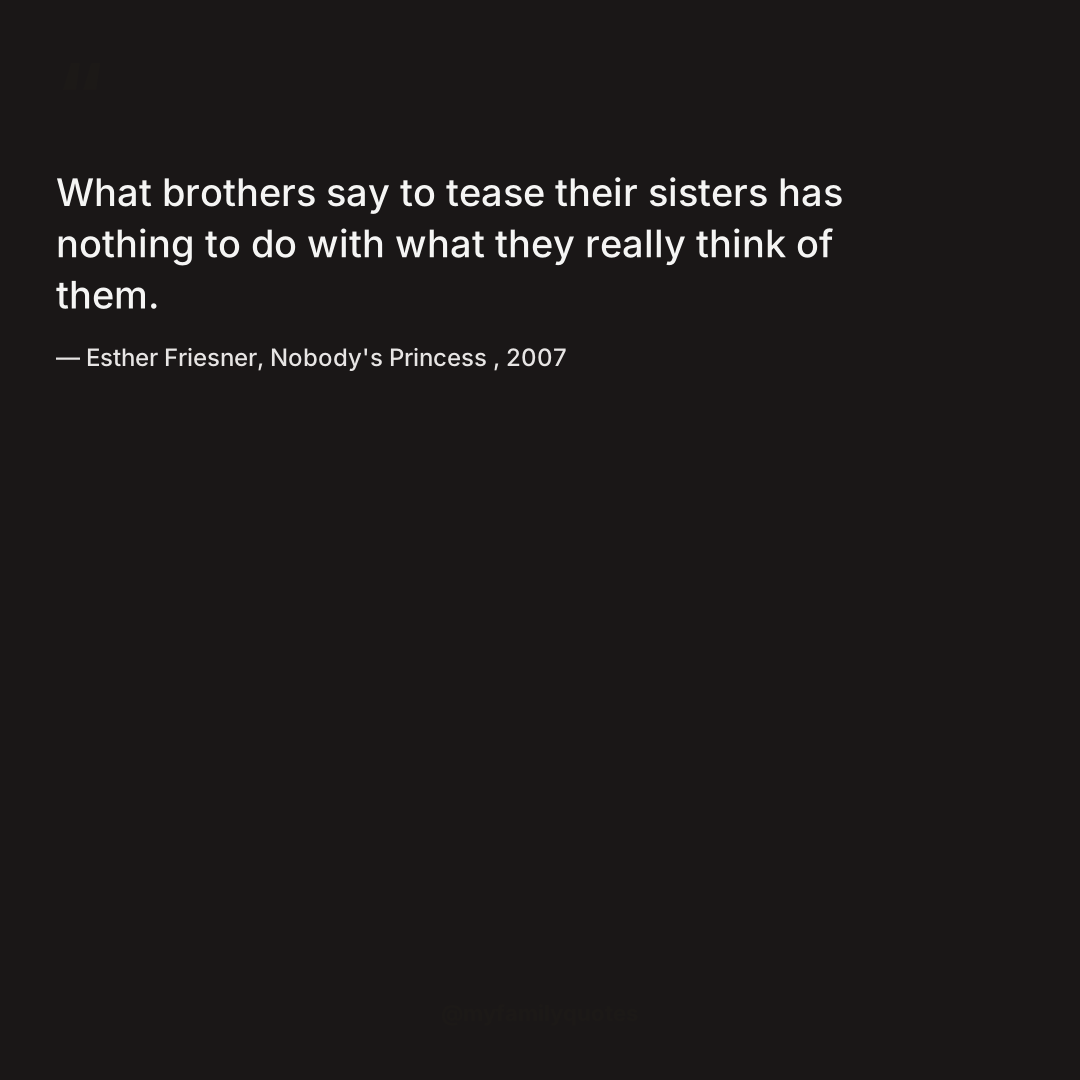
"What brothers say to tease their sisters has nothing to do with what they really think of them." — Esther Friesner, Nobody's Princess, 2007
Friesner separates the performative cruelty of childhood from actual malice. The teasing is often a clumsy mechanism for establishing boundaries, a rough draft of the interpersonal skills they will eventually carry into the wider world.
The capacity to inflict pain is directly proportional to the depth of the bond. Biology alone is not enough to sustain peace.
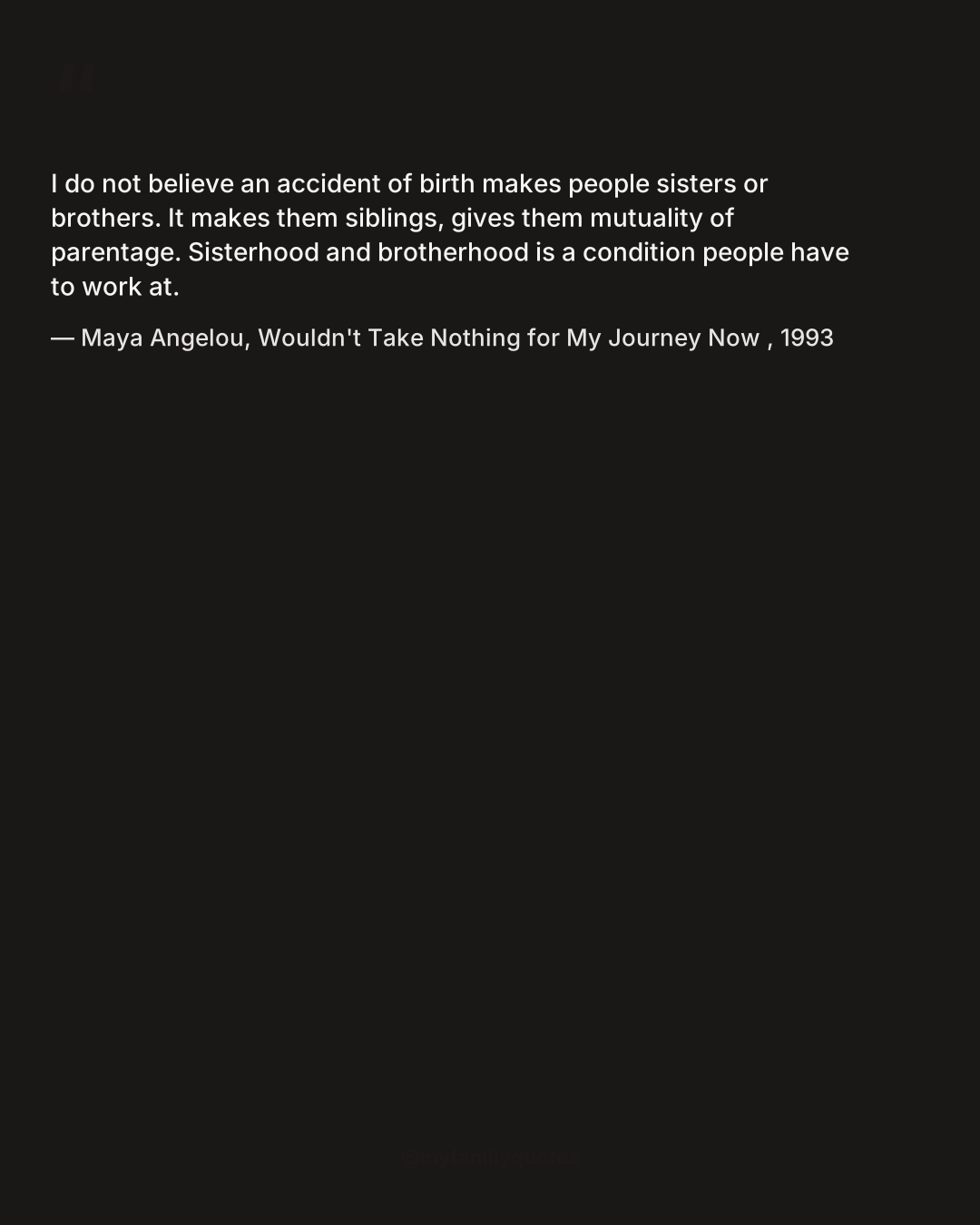
"I do not believe an accident of birth makes people sisters or brothers. It makes them siblings, gives them mutuality of parentage. Sisterhood and brotherhood is a condition people have to work at." — Maya Angelou, Wouldn't Take Nothing for My Journey Now, 1993
Angelou reframes the relationship from a biological given to an active, daily choice. When that effort fails entirely, we begin to understand the painful reality of severed familial ties, a stark reminder that even the deepest roots require nourishment.
Forgiveness between siblings is often a silent agreement rather than a formal apology. Grudges eventually fade into the background noise of life.
"Siblings that say they never fight are most definitely hiding something." — Lemony Snicket, The Wide Window, 2000
Snicket injects a dose of realism into the idealized vision of family harmony. Conflict is the very friction that polishes the relationship over time, smoothing out the rough edges of two distinct personalities forced to share a single roof.
On Lifelong Endurance
The final turn in our dialogue addresses the sheer longevity of the sibling bond. They outlast almost everyone else in our social circles.
"Our brothers and sisters are there with us from the dawn of our personal stories to the inevitable dusk." — Susan Scarf Merrell, The Accidental Bond, 1995
Merrell underscores the unique chronological span of siblinghood. They outlast parents and precede spouses, acting as the longest-running witnesses to our lives and the only people who remember our beginnings.
This endurance provides a continuous thread through the various eras of a person's life. It anchors the spirit against the passage of time.
"A sister is a gift to the heart, a friend to the spirit, a golden thread to the meaning of life." — Isadora James, Sister Elements, 2002
James elevates the relationship to a structural component of a meaningful existence. This search for continuity is also why we look to the perspectives of our elders for grounding during chaotic transitions, seeking a tether to our shared past.
Ultimately, the sibling relationship remains a profound mystery, even to those inside it. Time stands still when you cross the threshold of your childhood home.
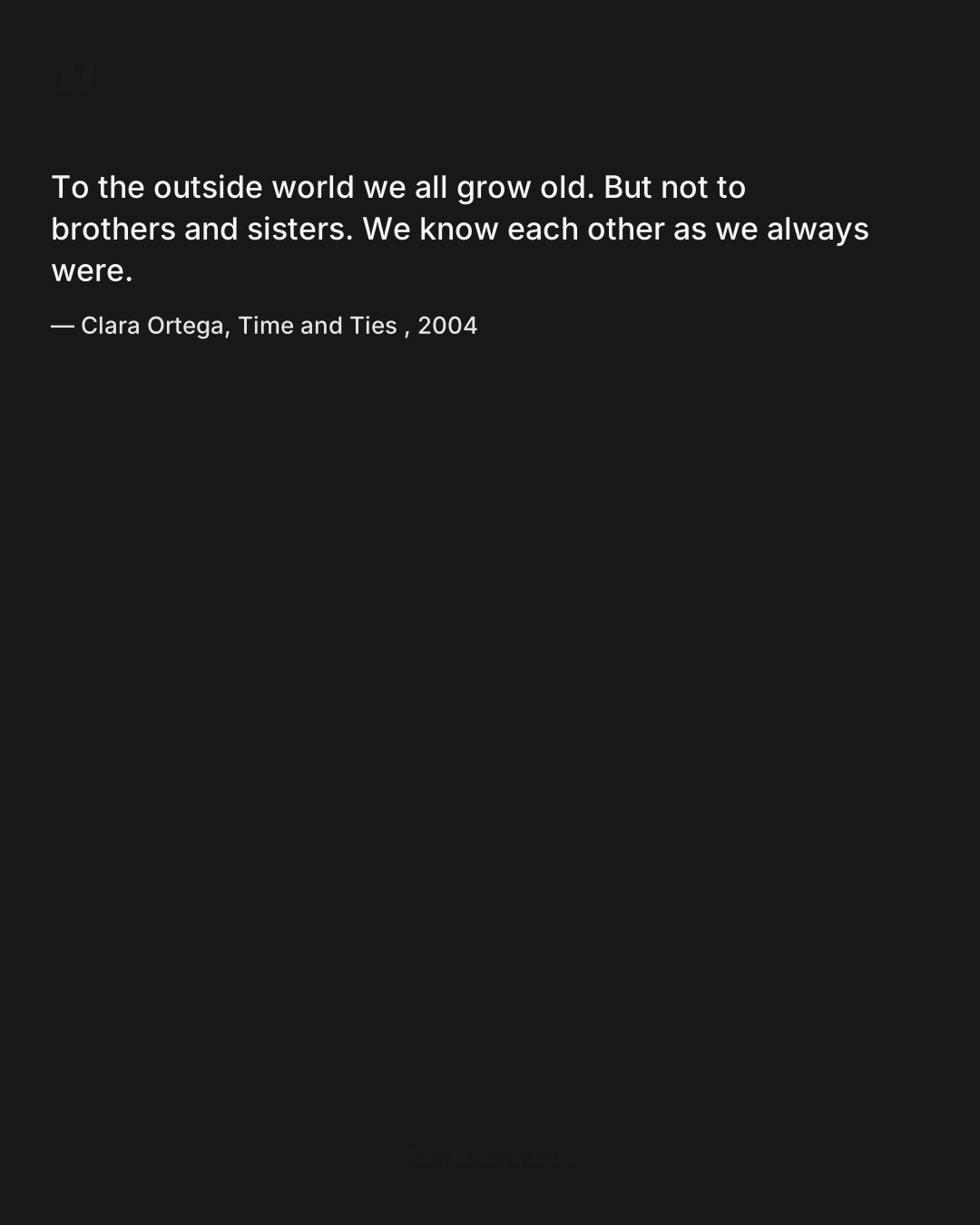
"To the outside world we all grow old. But not to brothers and sisters. We know each other as we always were." — Clara Ortega, Time and Ties, 2004
Ortega captures the temporal illusion of family life. In the presence of a sibling, you are perpetually the child you once were, suspended in a shared, private history that defies the aging process entirely.
Take a moment today to send a simple text to your sibling referencing a highly specific, absurd memory from your shared childhood, reminding them of the history only the two of you possess.
Notes for the Fridge
- Sibling bonds are the longest-lasting relationships most people will ever experience, spanning from early childhood to late adulthood.
- Conflict in childhood often serves as a necessary laboratory for developing adult social skills and learning how to establish boundaries.
- The shared vocabulary of early domestic life creates an exclusive, lifelong shorthand that outsiders can rarely penetrate.
- Maintaining a healthy adult sibling dynamic requires active, intentional effort beyond the mere fact of shared biology.
- Siblings act as unique archivists of our earliest, most unpolished identities, remembering who we were before the world shaped us.