Why We Rely on Meaningful Grandparents Quotes to Map Our Lineage
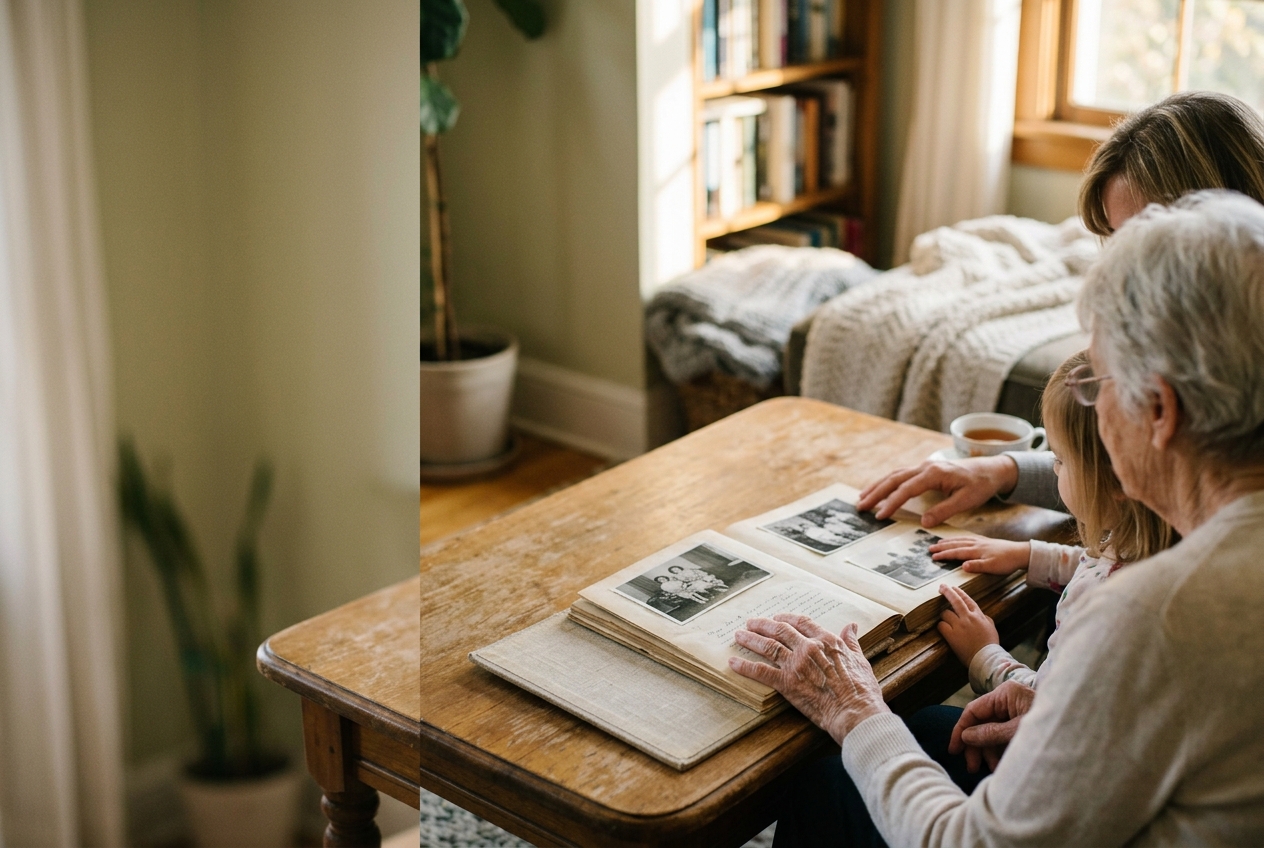
How do the offhand remarks of our elders harden into the guiding philosophies of our own adulthoods? Why do we cling to specific phrases long after the speakers have passed? We rarely notice the transfer.
I remember sitting at the formica table in my grandmother's kitchen in suburban Chicago, 1989, listening to her repeat a simple idiom about patience that I still use to navigate professional crises today. The transmission of family lore rarely happens through formal lectures. It occurs in the margins. We absorb these fragments of wisdom while folding laundry or washing dishes, turning casual observations into the foundational texts of our personal histories.
The Role of Elders in Shaping Emotional Resilience
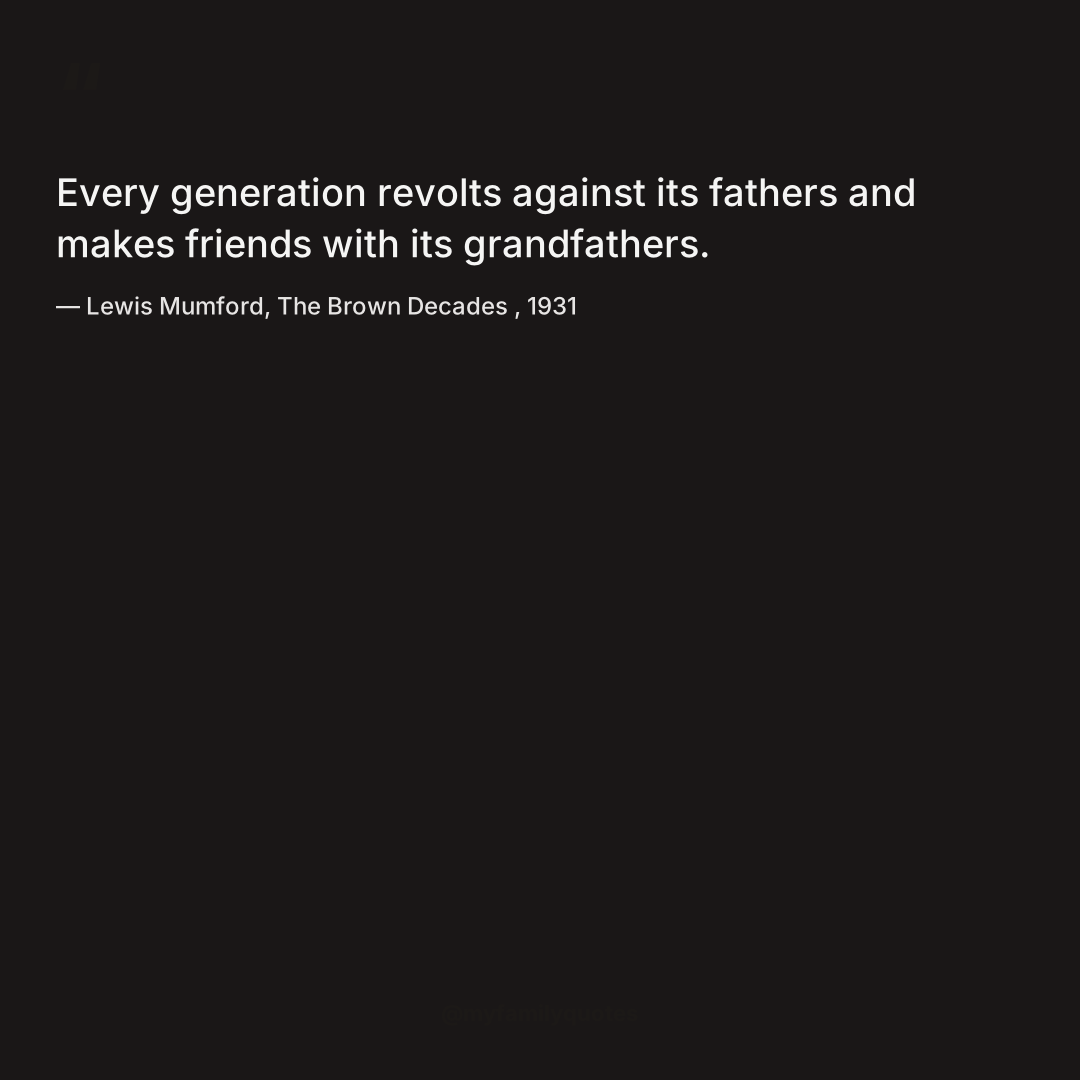
"Every generation revolts against its fathers and makes friends with its grandfathers." — Lewis Mumford, The Brown Decades, 1931
Mumford captured the natural skipping of generational conflict that allows elders to serve as safe harbors for young people navigating the turbulence of adolescence. Without the immediate disciplinary friction that complicates parent-child dynamics, grandparents can offer unfiltered support and historical perspective. This dynamic explains why shared family emotional landscapes often skip a generation entirely.
"A house needs a grandma in it." — Louisa May Alcott, Eight Cousins, 1875
Alcott wrote this during an era when multi-generational living was the default structural reality of American domestic life, rather than an economic necessity or a conscious lifestyle choice. The physical presence of an elder grounds a household in a specific historical continuity. It changes the literal atmosphere of the rooms they occupy.
Architects of the Family Narrative
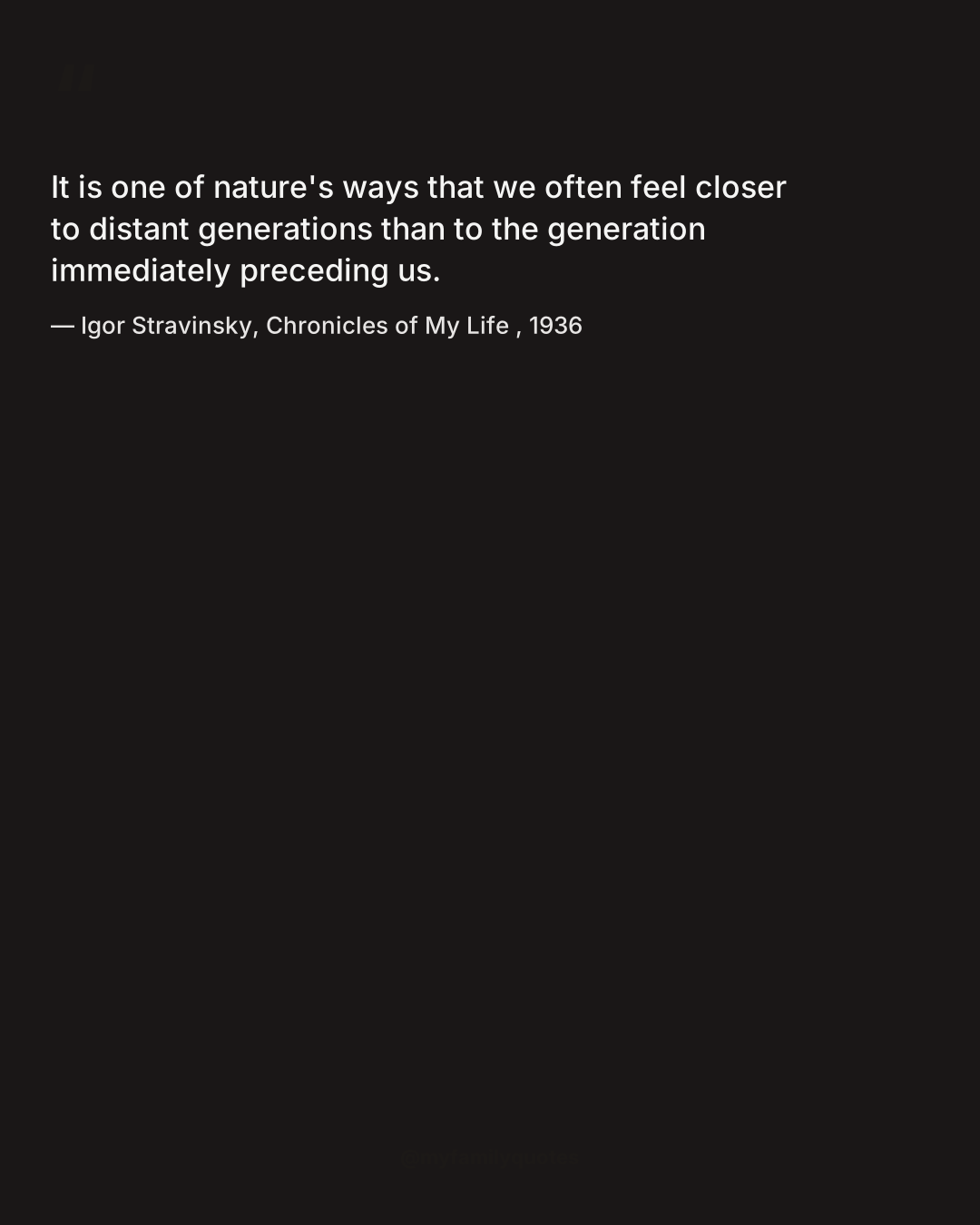
"It is one of nature's ways that we often feel closer to distant generations than to the generation immediately preceding us." — Igor Stravinsky, Chronicles of My Life, 1936
Stravinsky recognized that the distance of time removes the immediate emotional stakes from our relationships with our ancestors, allowing us to view them with a blend of curiosity and reverence. We look to their surviving words to understand the cultural and political forces that shaped our inherited quirks. This search for context is why documenting shared domestic routines remains a critical sociological exercise for historians mapping the twentieth century.
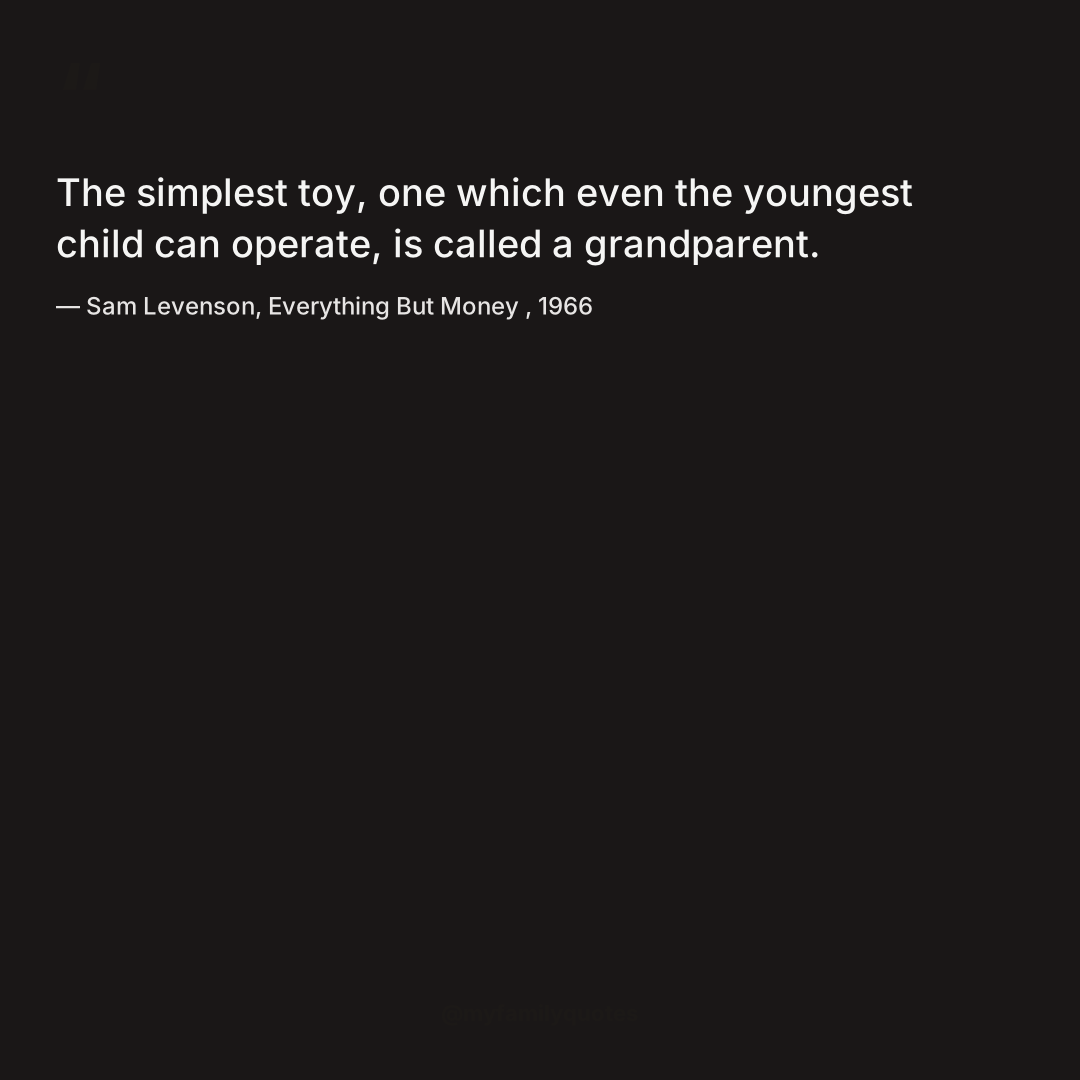
"The simplest toy, one which even the youngest child can operate, is called a grandparent." — Sam Levenson, Everything But Money, 1966
Levenson used humor to highlight the profound vulnerability that elders willingly embrace when interacting with their youngest descendants. The willingness to abandon adult dignity in favor of play creates a unique psychological safety net for children learning to test boundaries. They become the ultimate audience for a child's earliest attempts at storytelling.
The Compounding Interest of Cultural Values
"If you would civilize a man, begin with his grandmother." — Victor Hugo, Les Misérables, 1862
Hugo understood that cultural refinement and moral education require generational compounding. A single lifetime is rarely sufficient to build a comprehensive ethical framework from scratch. The values we consider innate are usually the delayed harvest of seeds planted by our grandparents decades before our own births.
Further reading
- how elders define boundaries of generational affection
- what young women learn from their grandmothers
- phrasing milestone tributes for family matriarchs
What to Carry Forward
- Record the casual idioms your elders use during mundane tasks, as these often contain their most authentic philosophies.
- Recognize that the skipping of generational conflict allows grandparents to offer a unique brand of unfiltered emotional support.
- Look beyond formal advice and pay attention to the stories elders tell about their own youthful failures.
- Understand that preserving these quotes is an act of historical documentation that benefits descendants who will never meet the speakers.
The phrases we carry forward from our elders are rarely the grand declarations they intended to leave behind. They are the quiet observations made across formica tables and over kitchen sinks. When we repeat these meaningful grandparents quotes, we are not just seeking guidance. We are actively keeping the architects of our family narratives alive in the present moment.