12 Funny Sibling Quotes That Will Validate Your Childhood Grievances
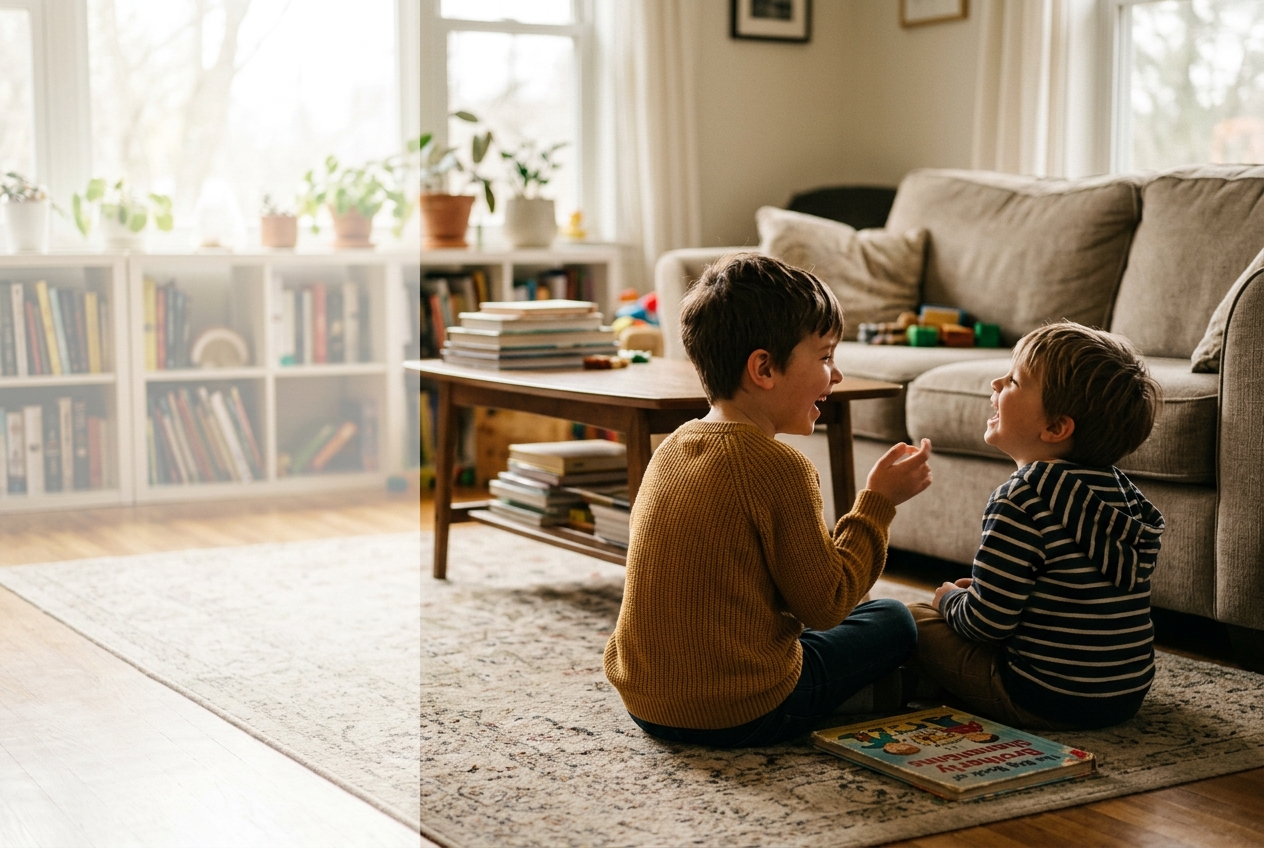
The Older Sibling's Burden vs. The Younger Sibling's Rebellion
Older children often view their younger counterparts as invasive species, while the youngest see their elders as tyrannical wardens. This fundamental misunderstanding fuels decades of dinner table arguments."The highlight of my childhood was making my brother laugh so hard that food came out his nose." — Garrison Keillor, Leaving Home, 1987
Radio humorist Keillor perfectly captures the primary objective of any older sibling during a formal family dinner. The goal is always sabotage.
"What are sisters for if not to point out the things the rest of the world is too polite to mention." — Claire Cook, Must Love Dogs, 2002
Cook identifies the ruthless efficiency of a sister's critique. They consider it a moral obligation to destroy your ego before you leave the house.
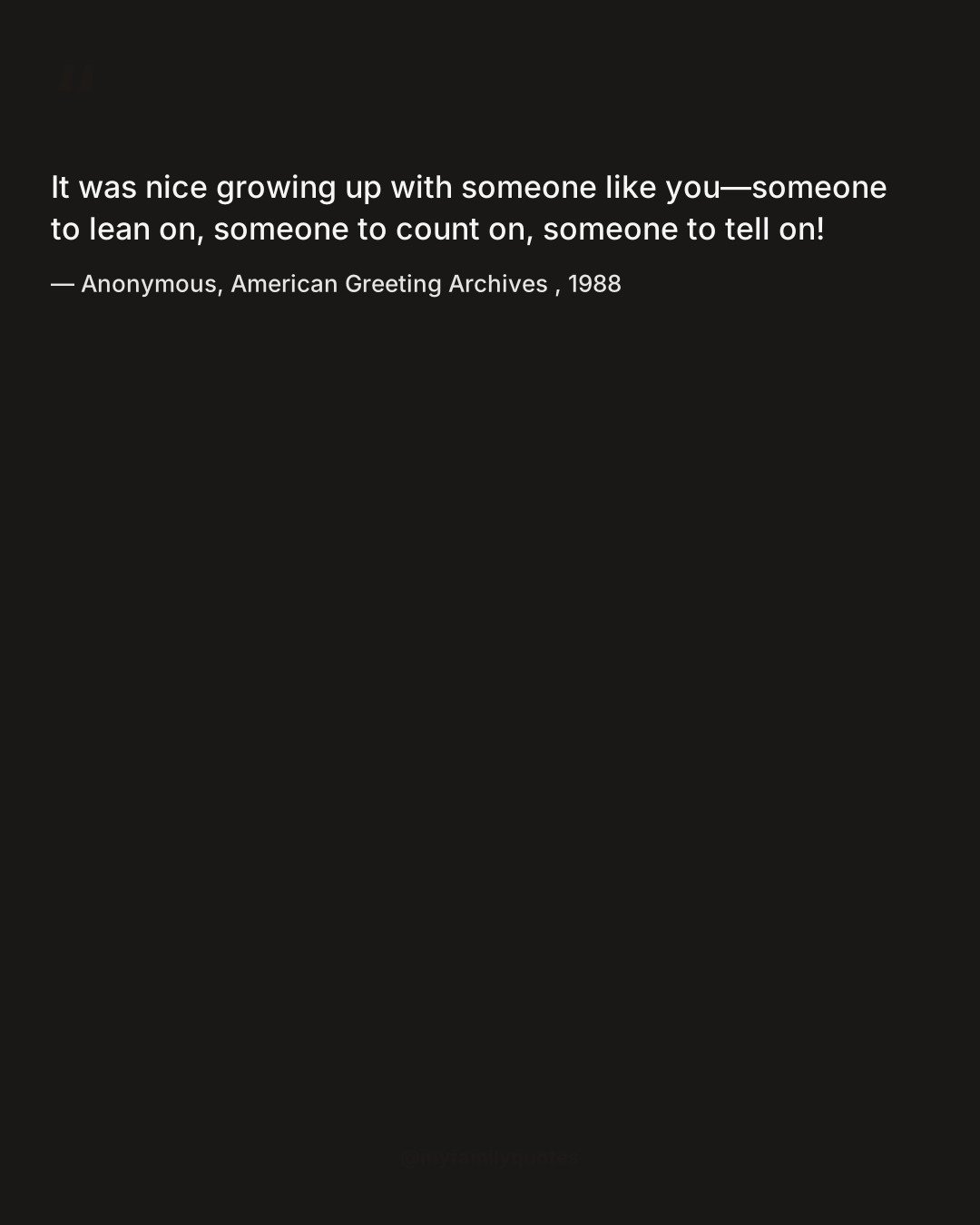
"It was nice growing up with someone like you—someone to lean on, someone to count on, someone to tell on!" — Anonymous, American Greeting Archives, 1988
This vintage piece of stationery humor highlights the dual nature of the younger child's alliance. Loyalty exists right up until a lamp gets broken.
"Siblings: children of the same parents, each of whom is perfectly normal until they get together." — Sam Levenson, In One Era and Out the Other, 1973
Levenson understood that proximity is the true catalyst for madness. Put two perfectly reasonable teenagers in the back of a station wagon heading to Florida, and society collapses.
Nearby on this topic: sisterly bonds shifting over decades
Childhood Territorial Disputes vs. Adult Roommate Realities
"Half the time when brothers wrestle, it's just an excuse to hug each other." — James Patterson, I Funny, 2012
Patterson identifies the bizarre physical language boys use to communicate affection without admitting vulnerability. Violence is merely a cover story for brotherly love.
"Younger brothers are the universe's way of ensuring you never have a moment of uninterrupted privacy." — Inspired by Erma Bombeck, Family: The Ties That Bind... And Gag!, 1987
The legendary domestic satirist knew that a locked door is merely a challenge to a bored seven-year-old boy. Silence in the house usually means something is being dismantled.
"We know one another's faults, virtues, catastrophes, mortifications, triumphs, rivalries, desires, and how long we can each hang by our hands to a bar." — Rose Macaulay, Told by an Idiot, 1923
Macaulay lists the deeply specific, entirely useless data points we retain about our kin. Nobody else cares about your chin-up record from the seventh grade.
"I smile because you're my brother. I laugh because there's nothing you can do about it." — Anonymous, American Folk Humor, 1999
This widespread piece of late-nineties internet lore distills the core philosophy of adult sibling interactions. Acceptance is forced, but mockery is entirely voluntary.
Nearby on this topic: the sheer absurdity of shared bloodlines
Where the two sides actually meet
"More than Santa Claus, your sister knows when you've been bad and good." — Linda Sunshine, Mom Loves Me Best, 1990
Sunshine points out the terrifying reality of having an in-house surveillance system that cannot be bribed. Blackmail is the currency of the adolescent economy.
"The Rule of Sibs: If your sibling gets something you want, you (1) try to take it; (2) break it; or (3) say it's no good." — Patricia Fleming, Sibling Rivalry, 2015
Fleming codifies the universal three-step protocol for dealing with perceived injustice on Christmas morning. Diplomacy is rarely an option before the age of twelve.
"You can kid the world, but not your sister." — Charlotte Gray, The Sisterhood, 2007
Gray touches on the impossibility of maintaining a false persona around someone who remembers your awkward middle school haircuts. Pretense dissolves instantly in their presence.
"Siblings that say they never fight are most definitely hiding something." — Lemony Snicket, The Wide Window, 2000
Daniel Handler, writing as Snicket, offers a grimly humorous assessment of family harmony. Perfect peace is highly suspicious in any household containing more than one child.
Nearby on this topic: finding humor in domestic life
Quick Reference
- Humor serves as the primary defense mechanism against the claustrophobia of shared living spaces.
- Older siblings typically weaponize their physical advantage, while younger ones rely on psychological warfare and parental appeals.
- The transition from childhood rivals to adult confidants usually requires surviving several terrible family vacations.
- Shared history means your brothers and sisters hold a monopoly on your most embarrassing historical data.
- Mutual mockery is often the most sincere form of affection available within the family unit.