Islamic Teachings on Kinship: 15 Quotes from the Quran and Hadith
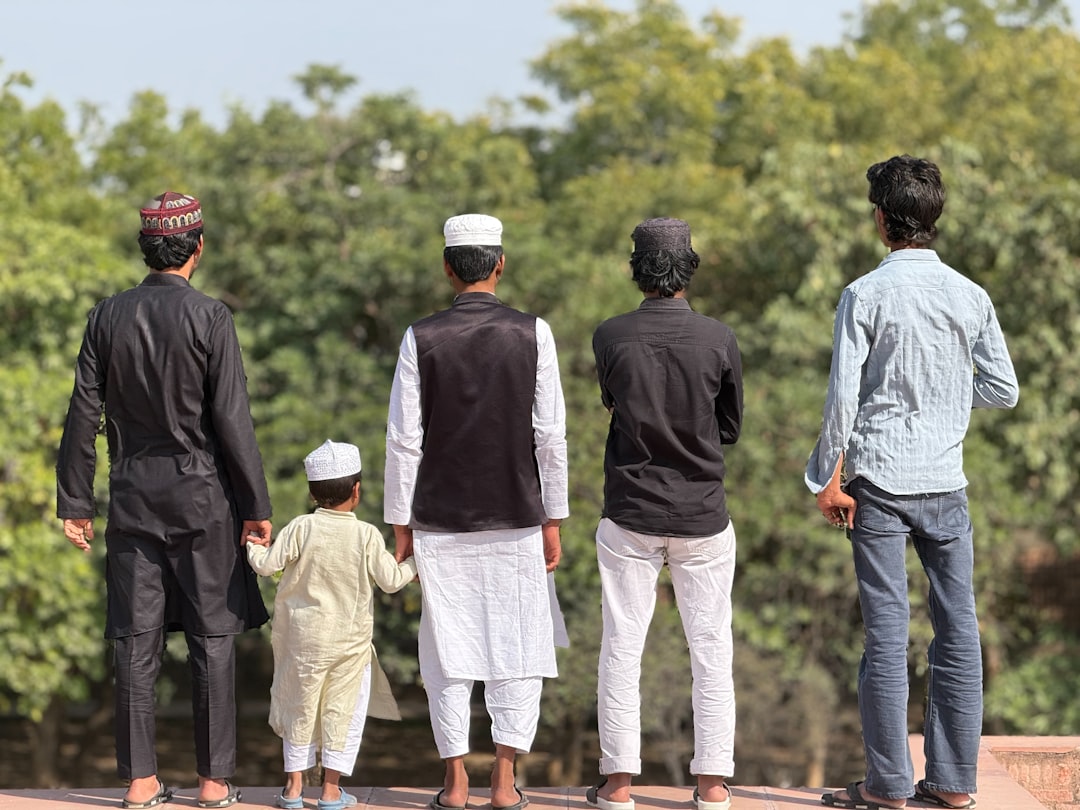
"The best of you are those who are best to their families," Prophet Muhammad stated in a widely transmitted tradition recorded by Al-Tirmidhi. This directive anchors Islamic theology. While modern discussions often treat domestic life as a private retreat from the world, classical Islamic jurisprudence views the household as the primary testing ground for human character, where faith translates directly into patience, financial responsibility, and emotional availability. Those seeking foundational texts exploring domestic life will find that the Quran and Hadith offer highly specific instructions rather than vague platitudes.
The Misconception of Conditional Kinship
A pervasive modern assumption suggests that religious obligations toward relatives apply only when those relationships are healthy, reciprocal, and free of toxicity. Classical texts reject this transactional view entirely. In the foundational Sunni hadith collection Sahih al-Bukhari, compiled in 846 CE, the Prophet clarifies that the true upholder of kinship is not the one who merely reciprocates good treatment, but the one who mends ties when they are severed. This unconditional mandate forces individuals to look beyond personal grievances, prioritizing spiritual obedience over emotional comfort. It requires understanding the true meaning of blood relations as a divine trust rather than a mere social contract.
The Reality of Daily Domestic Grace
The reality of household harmony in Islamic tradition rests heavily on the concepts of Sakinah (tranquility) and Rahmah (mercy). Daily domestic grace is built through mundane acts of service, mutual consultation in financial matters, and the deliberate softening of one's voice during disputes. Much like scriptural foundations for household peace found in other Abrahamic traditions, Islamic texts emphasize that the home should function as a sanctuary from external hardships. The texts demand active emotional labor.
15 Quotes from the Quran and Hadith
"And of His signs is that He created for you from yourselves mates that you may find tranquility in them; and He placed between you affection and mercy."
Surah Ar-Rum (30:21) establishes the marital bond as a deliberate sign of divine power. The verse identifies emotional tranquility and mercy as the primary objectives of marriage, superseding mere societal organization.
"And lower to them the wing of humility out of mercy and say, 'My Lord, have mercy upon them as they brought me up [when I was] small.'"
Surah Al-Isra (17:24) dictates the precise physical and verbal posture adult children must adopt toward their aging parents. Humility is framed as a mandatory repayment for early childhood vulnerability.
"He who does not show mercy to our young ones or recognize the rights of our elders is not one of us."
Recorded in Sunan Abi Dawud, this prophetic statement draws a strict boundary around community belonging. Generational respect is not optional.
"The believer who has the most perfect faith is the one who has the best character, and the best of you are those who are best to their wives."
This hadith from Sunan al-Tirmidhi firmly links abstract theological faith to concrete domestic behavior. Spiritual perfection requires marital excellence.
"His mother carried him with hardship and gave birth to him with hardship, and his gestation and weaning period is thirty months."
Surah Al-Ahqaf (46:15) explicitly quantifies the physical toll of motherhood to mandate lifelong gratitude from children. This verse serves as a profound basis for honoring the lineage of maternal sacrifice across generations.
"The severer of kinship ties will not enter Paradise."
Found in Sahih Muslim (compiled circa 875 CE), this stark warning underscores the gravity of family boycotts. Maintaining communication is treated as a matter of eternal salvation.
"Mothers may breastfeed their children two complete years for whoever wishes to complete the nursing... And upon the father is the mothers' provision and their clothing according to what is acceptable."
Surah Al-Baqarah (2:233) outlines the mutual, interlocking responsibilities of separated or married parents. Financial provision and physical care are legislated with exact parameters.
"When a Muslim spends something on his family intending to receive God's reward, it is regarded as Sadaqah (charity) for him."
Sahih al-Bukhari records this paradigm shift regarding daily expenses. Buying groceries or paying rent is elevated to an act of worship.
"Our Lord, grant us from among our wives and offspring comfort to our eyes and make us an example for the righteous."
Surah Al-Furqan (25:74) offers a specific supplication for family joy. The phrase "comfort to our eyes" denotes profound emotional relief and pride.
"Whoever has a child, let him play with him."
This tradition highlights the necessity of engaging youth on their own level. Playfulness is elevated to a prophetic practice, encouraging parents to focus on capturing fleeting moments of childhood joy.
"And We have enjoined upon man [care] for his parents. His mother carried him, [increasing her] in weakness upon weakness, and his weaning is in two years. Be grateful to Me and to your parents; to Me is the [final] destination."
Surah Luqman (31:14) pairs gratitude toward God directly with gratitude toward parents. The two obligations are structurally inseparable.
"Whoever maintains two girls until they attain maturity, he and I will come on the Day of Resurrection like this," and he joined his two fingers.
Sahih Muslim preserves this powerful visual metaphor delivered by Prophet Muhammad. Raising daughters is promised the highest degree of prophetic proximity.
"And know that your properties and your children are but a trial and that Allah has with Him a great reward."
Surah Al-Anfal (8:28) reframes family not just as a blessing, but as a rigorous spiritual test. Wealth and progeny demand ethical stewardship.
"Every one of you is a shepherd and is responsible for his flock. The leader of people is a guardian and is responsible for his subjects. A man is the guardian of his family and he is responsible for them."
This famous hadith establishes a hierarchy of care and accountability. Leadership is defined strictly by responsibility, not privilege.
"Gardens of perpetual residence; they will enter them with whoever were righteous among their fathers, their spouses and their descendants."
Surah Ar-Ra'd (13:23) presents the ultimate theological goal for the Islamic family unit. The promise of eternal reunion serves as the primary motivation for maintaining earthly ties.
To be the best to one's family requires a lifetime of deliberate patience, financial sacrifice, and emotional presence. The texts do not promise a household free of conflict, but rather provide a rigorous framework for resolving disputes with dignity. True success is measured by the mercy extended behind closed doors. Readers looking for further expressions of deep domestic affection will find that these ancient directives remain remarkably applicable to contemporary household dynamics.
Common Questions, Straight Answers
What is the Arabic term for maintaining family ties?
The concept is known as Silat al-Rahim, which translates literally to connecting the womb. Islamic jurisprudence considers severing these ties a major sin, requiring active effort to maintain communication and support even with difficult relatives.
How does the Quran address conflicts with parents?
Surah Luqman (31:15) instructs children to respectfully disobey parents only if commanded to associate partners with God. It explicitly demands accompanying them in this world with appropriate kindness regardless of their faith or behavior.
Are there specific Hadith about raising daughters?
Yes. Multiple authentic traditions emphasize that raising daughters with love, providing them with education, and treating them without preference for sons serves as a direct shield against the Hellfire for parents.